
Finding History on a Christmas Market Cruise
In December we took a Christmas market cruise down the Rhine with stops in Amsterdam, Germany, France and Switzerland. All our previous vacations overseas have been to the United Kingdom, so this was our first European trip as well as our first river cruise.
The focus of the trip was the Christmas markets, and those destinations did not disappoint, especially at night. The streets were jammed full of people, music and twinkly lights. Wooden stalls lined the streets with vendors selling glühwein (a mulled wine), sausage sandwiches and all manner of holiday décor. Every market had its own signature glühwein mug and for 4 or 5 euro’s you could take it home with you. Soon our suitcases were jammed with them.
Getting to the markets from the ship almost always involved a short bus ride with a local guide giving you a condensed tour of the region on your way there. If you were a fan of shopping, the tours were too long, if you were a fan of history, the tours were too short. With two of these excursions and three sit down meals on the ship each day, the Viking cruise folks kept you hopping.
The thing you learn right away about cruise culture is that life on a cruise is all about socializing. We spent 8 days with 150 other people on a boat floating down the Rhine. You became fast friends with these folks because you spent hours together during meals, bus trips and tours. It felt a bit like the first week of school in the dorm (but with better food and older people).
Finding a Quiet Place

As fun as all that was, early on I found myself seeking out quiet time. Gradually, as I got used to the ship and its daily routine, I managed to find some.
I got up early every morning, moved about quietly in the cabin, got dressed and headed to the coffee station down the hall. I pushed the button to make myself an Americano and went out to the Aquavit (glass enclosed patio deck at the front of the ship) for some food. There I grabbed a muffin, some fresh fruit and sat down in a quiet corner on a sofa.
Reinforced by the muffin and caffeine, I walked up a single flight of stairs to the roof deck in the dark. The whole top deck was wide open, a huge walkable track and the view was always interesting. As the sky lightened you could make out small villages, forests, power plants, castles and bridges. The topography went from dead flat in Amsterdam, to rolling hills and vineyards in the Alsace region. Some days it was cold, some rainy, some clear.
There was a cabin on the roof, surrounded by glass and you could see the captain inside steering the ship while a cabinmate drank his morning coffee and watched the monitors. It was reassuring to know that among all these crew members so focused on keeping us happy, at least two of them were focused on steering the ship. Eventually I headed back downstairs, grabbed a second cup of coffee and settled down with my sketchpad and book in the lounge.
The Rhine in 1945


The lounge was quiet, warm and empty. I looked at the photos from the day before and picked one that was memorable and used it for a quick sketch. Then I settled in on reading my book.
I always enjoy a good book during vacation, and I did a bit of research on what book to bring along on this trip. I knew the focus was going to be on shopping, but I also knew the history of the Rhine during the Second World War was significant. I settled on one book in the series “What Things our Fathers Saw” by Mark Rozelle.
Rozelle was a high school history teacher and in the early 2000’s he began inviting Second World War Vets to come to his classroom and visit with his students. His focus was on oral histories from the war, and he felt it was important to share those stories with students before the Vets were gone. Sessions became popular both with the Vets and with the students. One hour visits became half days seminars and soon he accumulated over 200 interviews. The stories became the basis for a series of seven books he published about the Second World War.
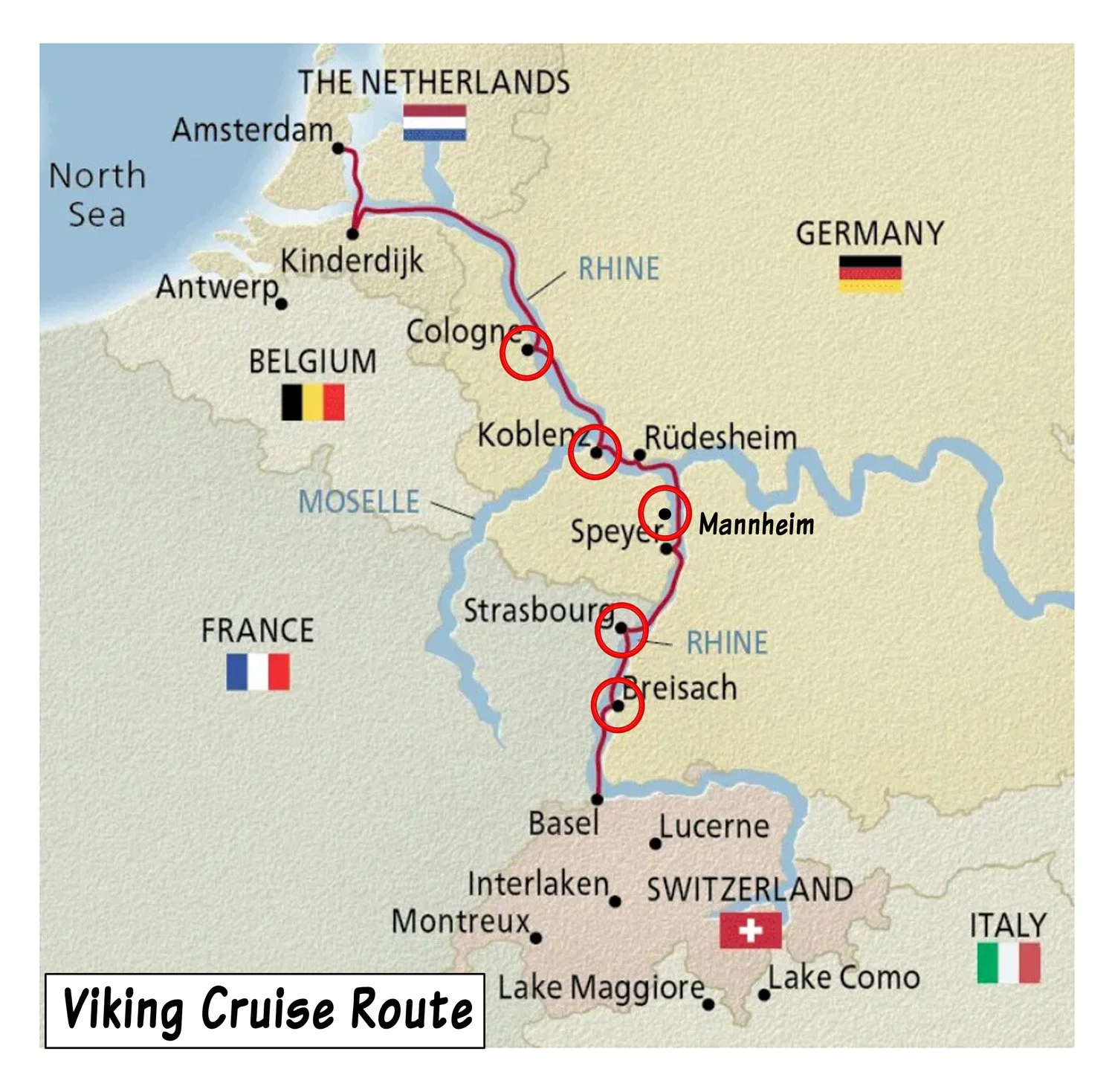
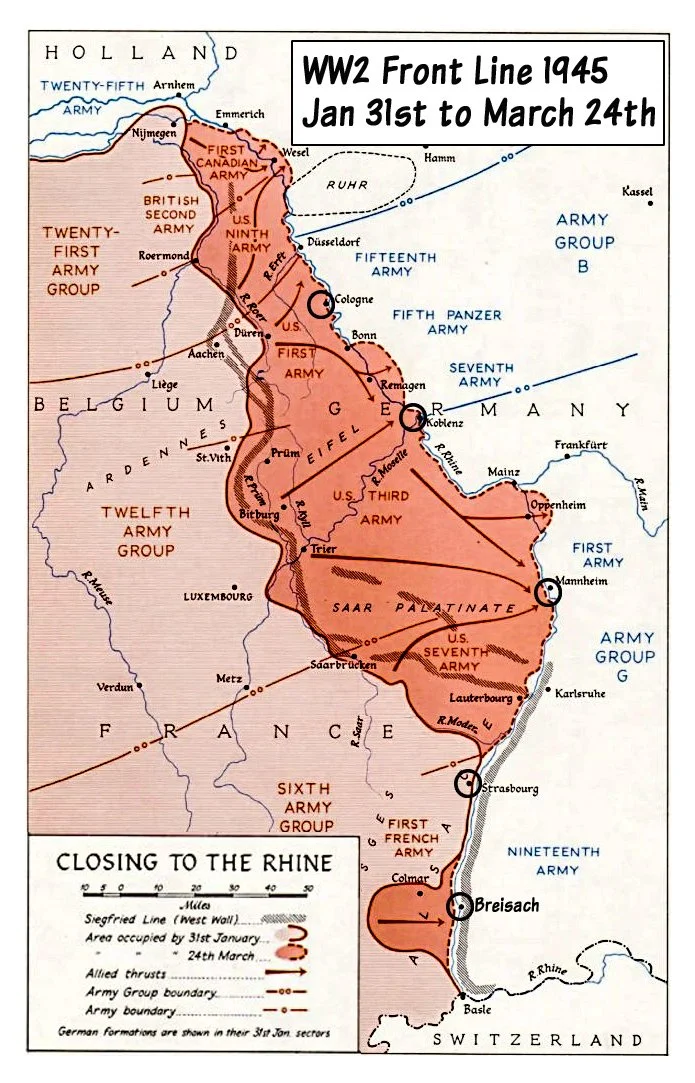
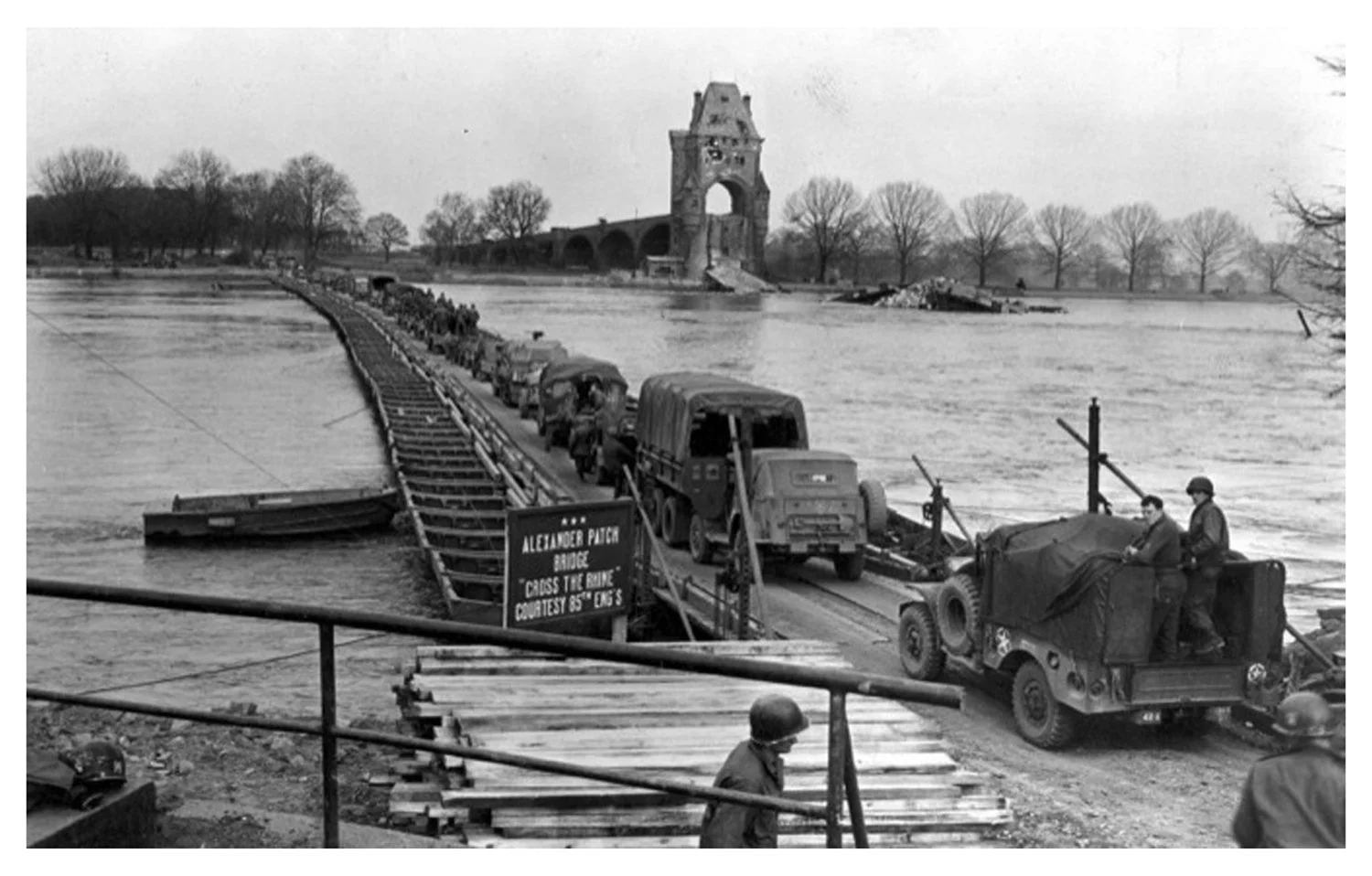
This volume contained stories from late in the war when the Allies broke through the Siegried Line and crossed the Rhine into Germany for the first time. This happened between January and March of 1945 and the Rhine was Germany’s last defensive border. Above there is a map that compares the front during the Second World War and the route of our cruise. I circled some common cities in red. Many of these cities were completely destroyed during the war and when you visit , if you looked closely, you can tell the difference between original and rebuilt buildings.
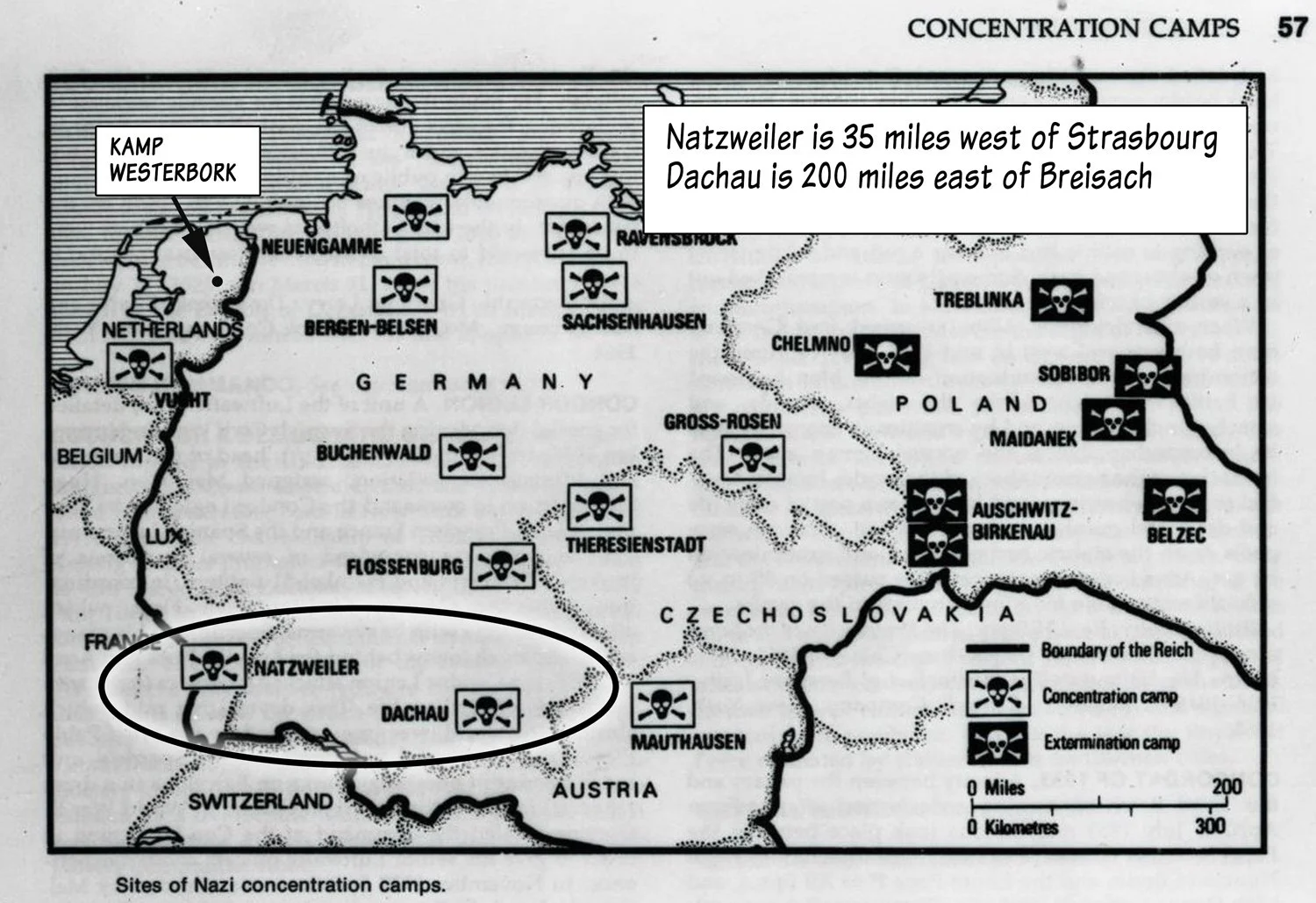
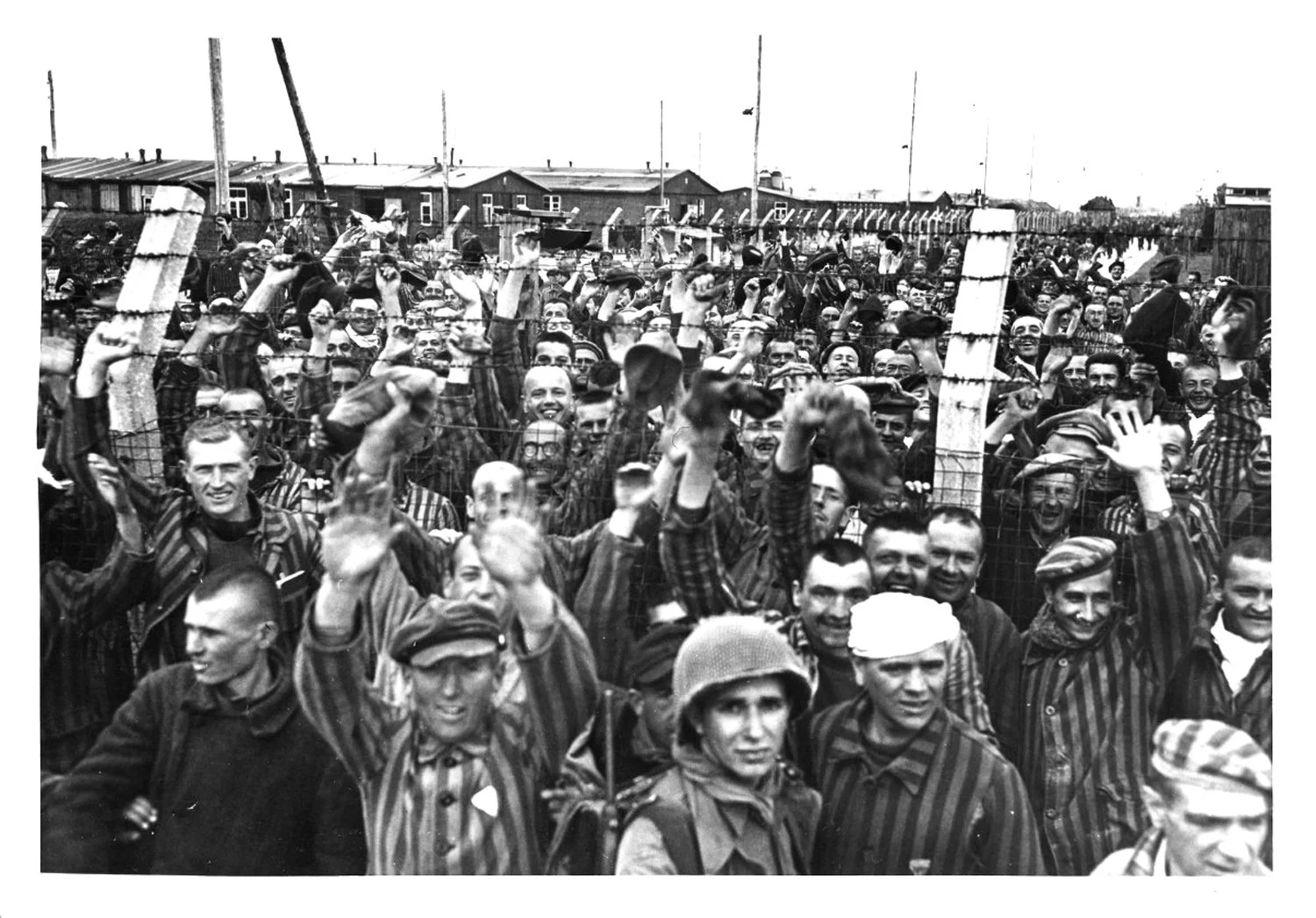
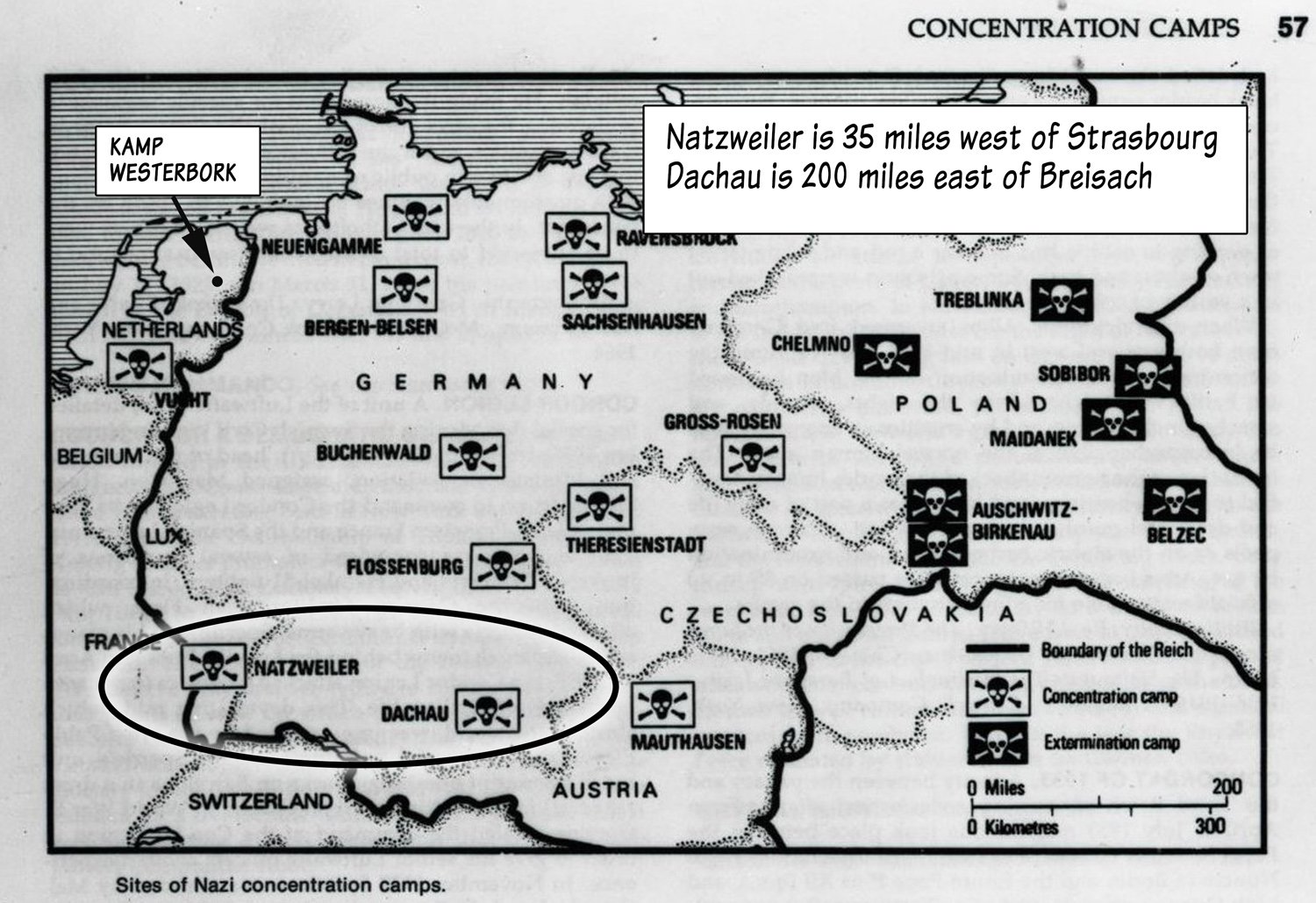
Moving deep into German territory meant that some of these Vets were the first to see concentration camps. Today it has been well documented how these camps were used to incarcerate, terrorize and eliminate the Jewish people and other “enemies of the state”, but before the camps were found, these were only rumors. I included a map of the concentration camp network in Germany and circled Natzweiler and Dachau because they are not far from the Rhine. Natzweiler was the only camp in France, just 35 miles south of Strasbourg. It was one of the first camps discovered by Allied soldiers and was empty when they found it. As the front line moved towards Germany, the camp had been cleared out. The prisoners were loaded onto trains and moved east, many of them to Dachau which was about 200 miles away. A few months later, when the Allied soldiers reached Dachau, they found it surrounded by trains filled with thousands of dead bodies.
Some of the Vets who shared stories about Dachau with the high school students were sharing them for the first time. They explained that it was too difficult to discuss when they first returned home, and when they did, many times people either didn’t want to hear it or couldn’t believe it really happened.
So why focus on these difficult topics during a vacation that was all about holiday cheer?
My feeling is you have to look backward as well as forward to understand a country you are visiting. The Rhine has so many stories to tell, particularly about the Second World War and this was my one chance to see and hear them in person.
Those stories were most apparent on two walks that I took during our vacation. One walk was a curated tour about food and the other was a solo shopping trip. Neither was expected to be about Second World War history, but it was there in plain sight if you looked for it. What follows is my description of the two walks combined with some research I did after we got home.
Taking a Walk in Amsterdam




The walk in Amsterdam was on the first day of our trip.
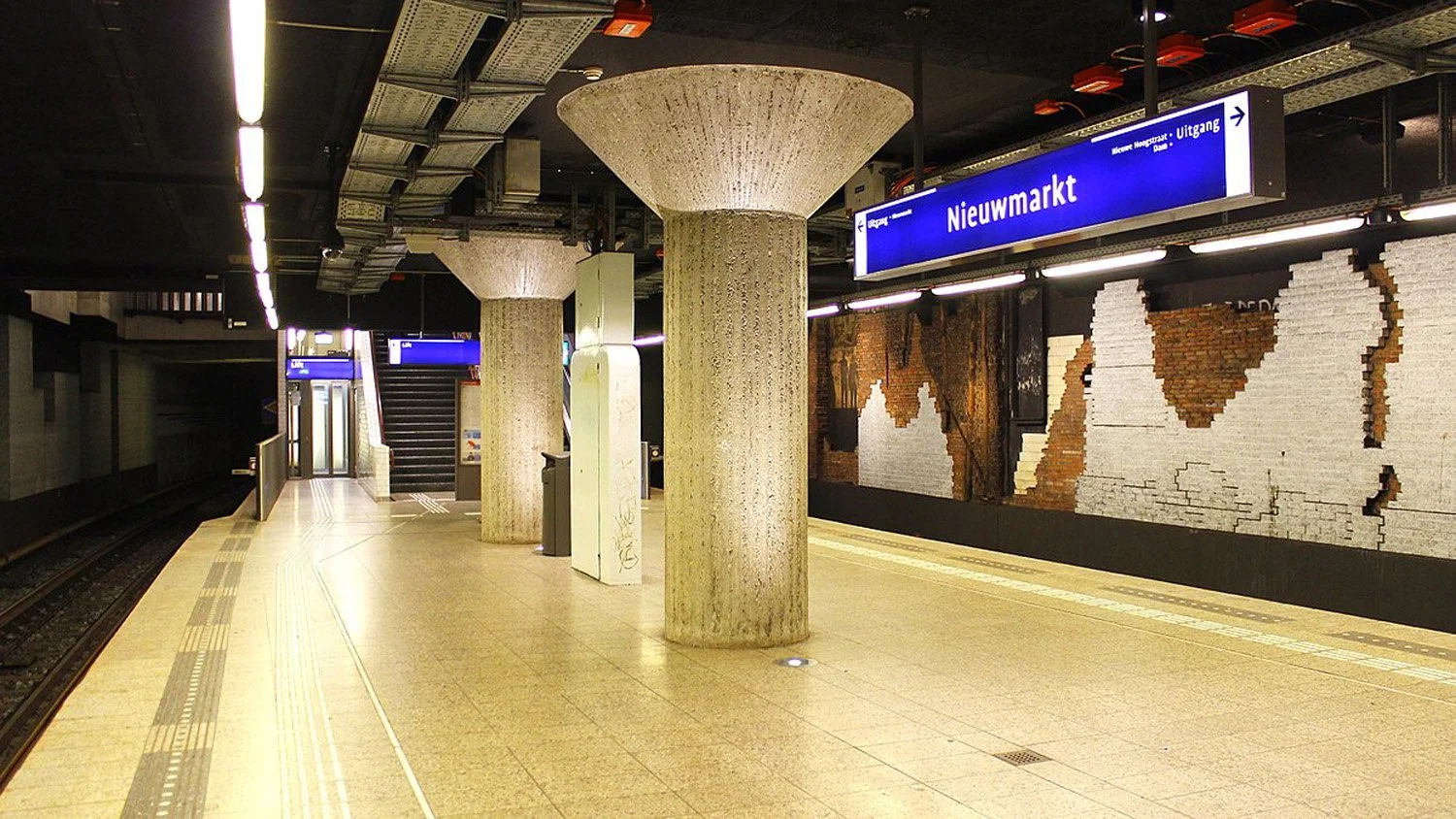
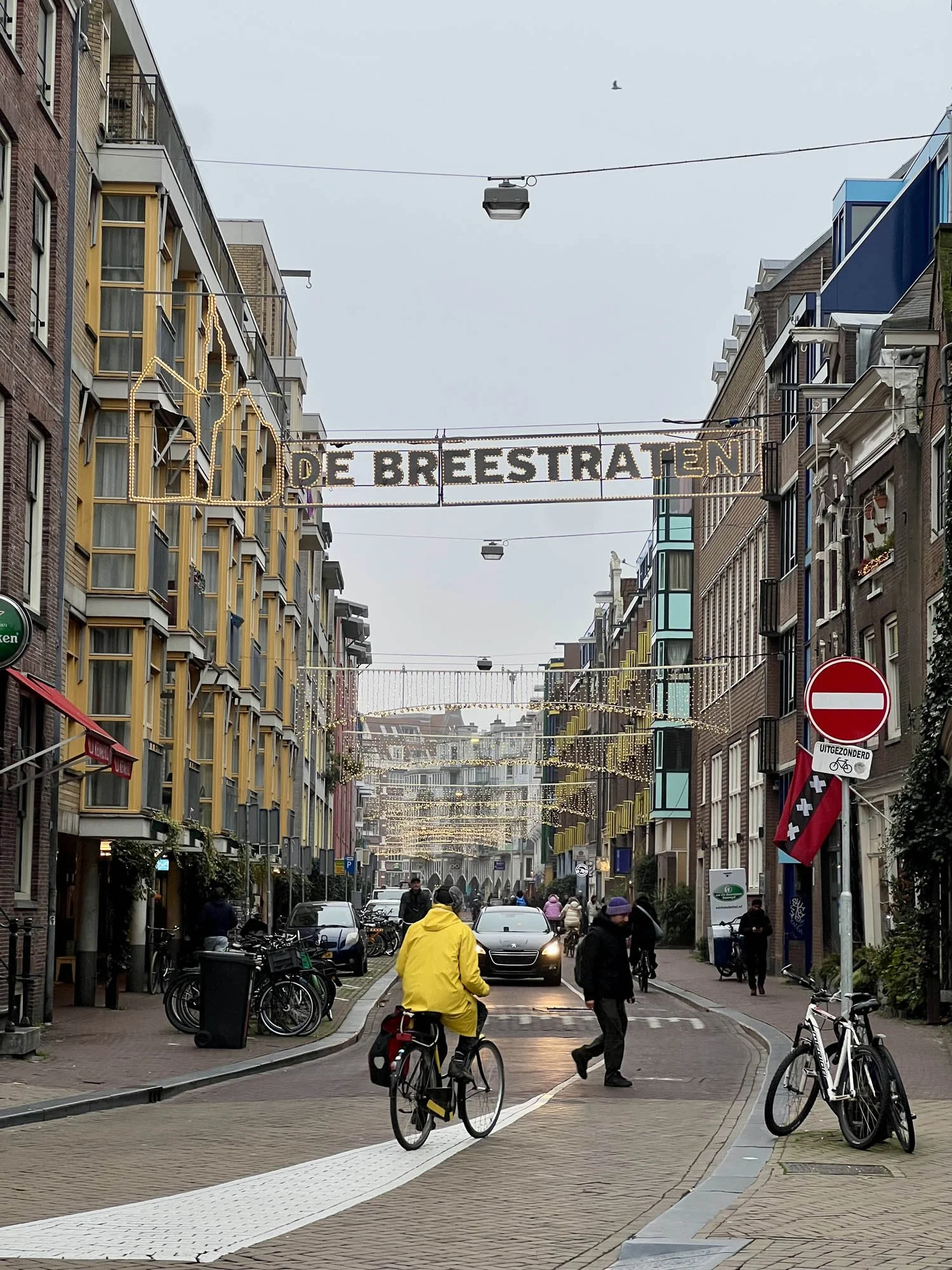
We stayed at a lovely historic hotel called the Pestana Amsterdam Riverside Hotel. It was there that we had our first experience with a formally guided tour, complete with earpieces and radios. Our guide was leading us into Old Amsterdam to visit a few restaurants in Nieuwmarkt and sample Poffertjes, Bitterballen and Stroopwafels. Having a voice in your ear talking to you while you navigated a busy urban street took some getting used to. We certainly appreciated it as he helped us navigate catching the tram and transferring to the underground subway. In the end the food was not that amazing, but the tour was interesting for other reasons.
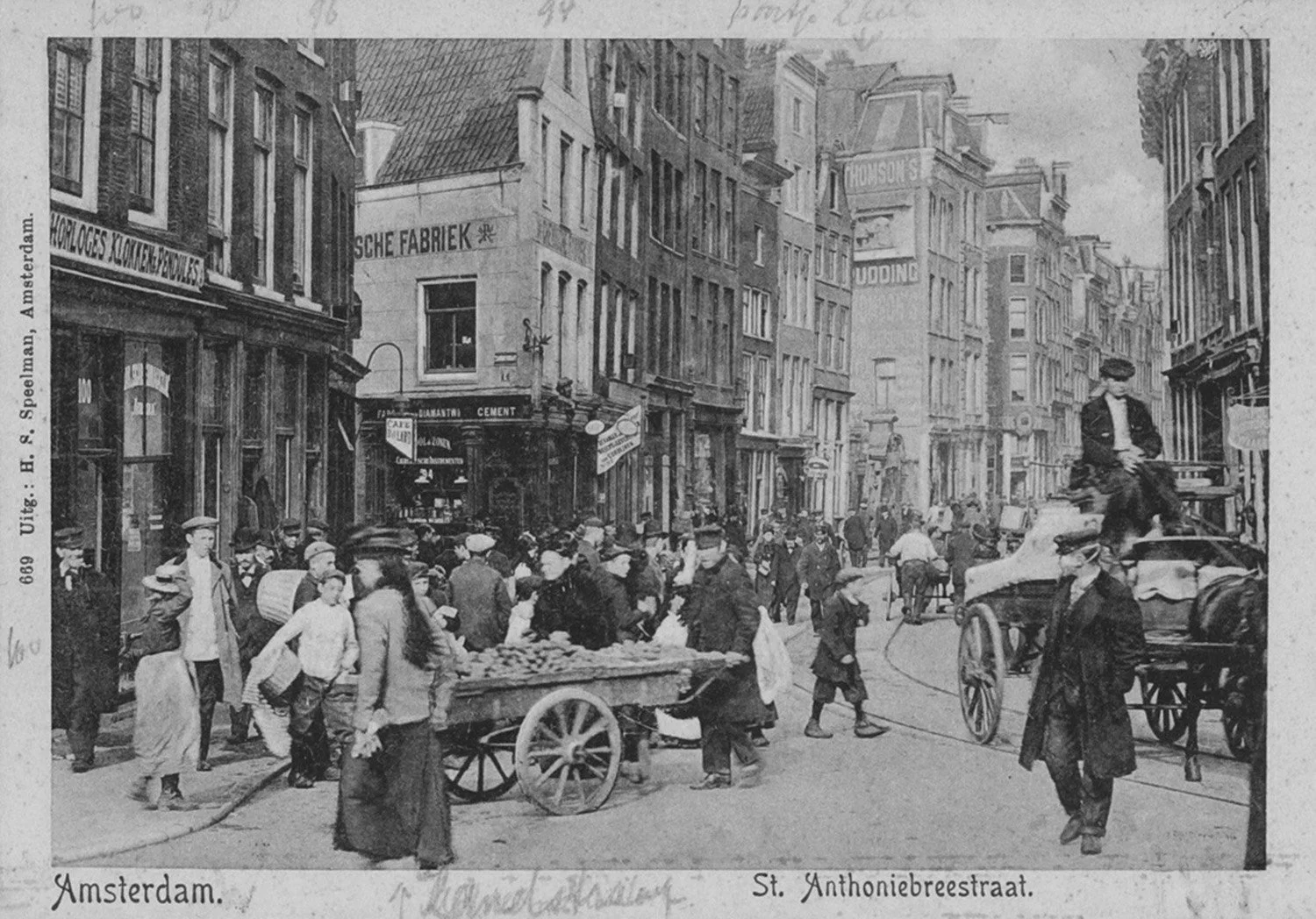
During the tram ride we passed the Waterloopleinmarkt . The guide explained that this is the oldest flea market in Amsterdam dating back to the 1880’s and that it was originally a vibrant part of the Jewish community. He said that it had “gone away during the war but was making a comeback now”. The way he phrased that got my attention.
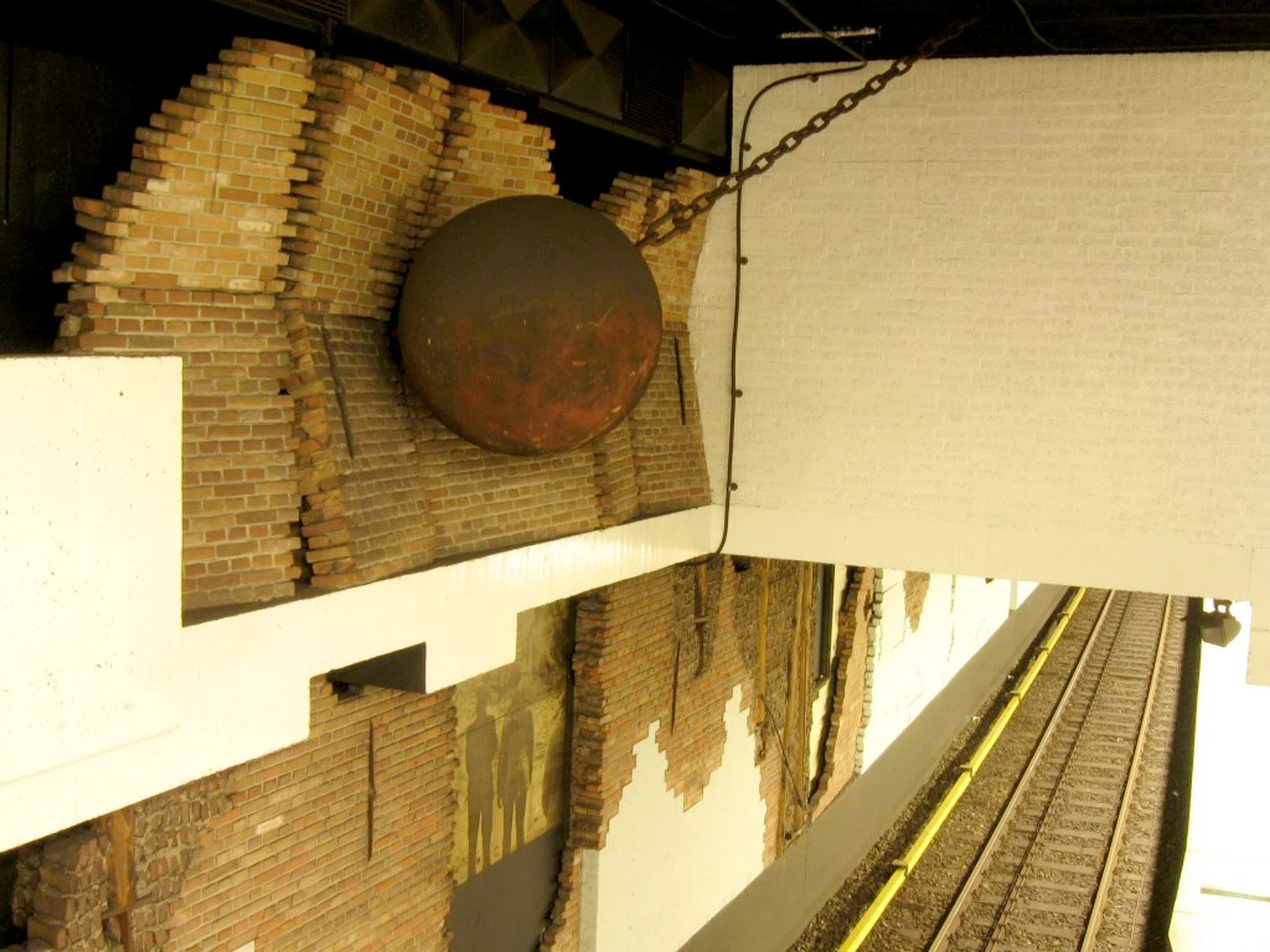
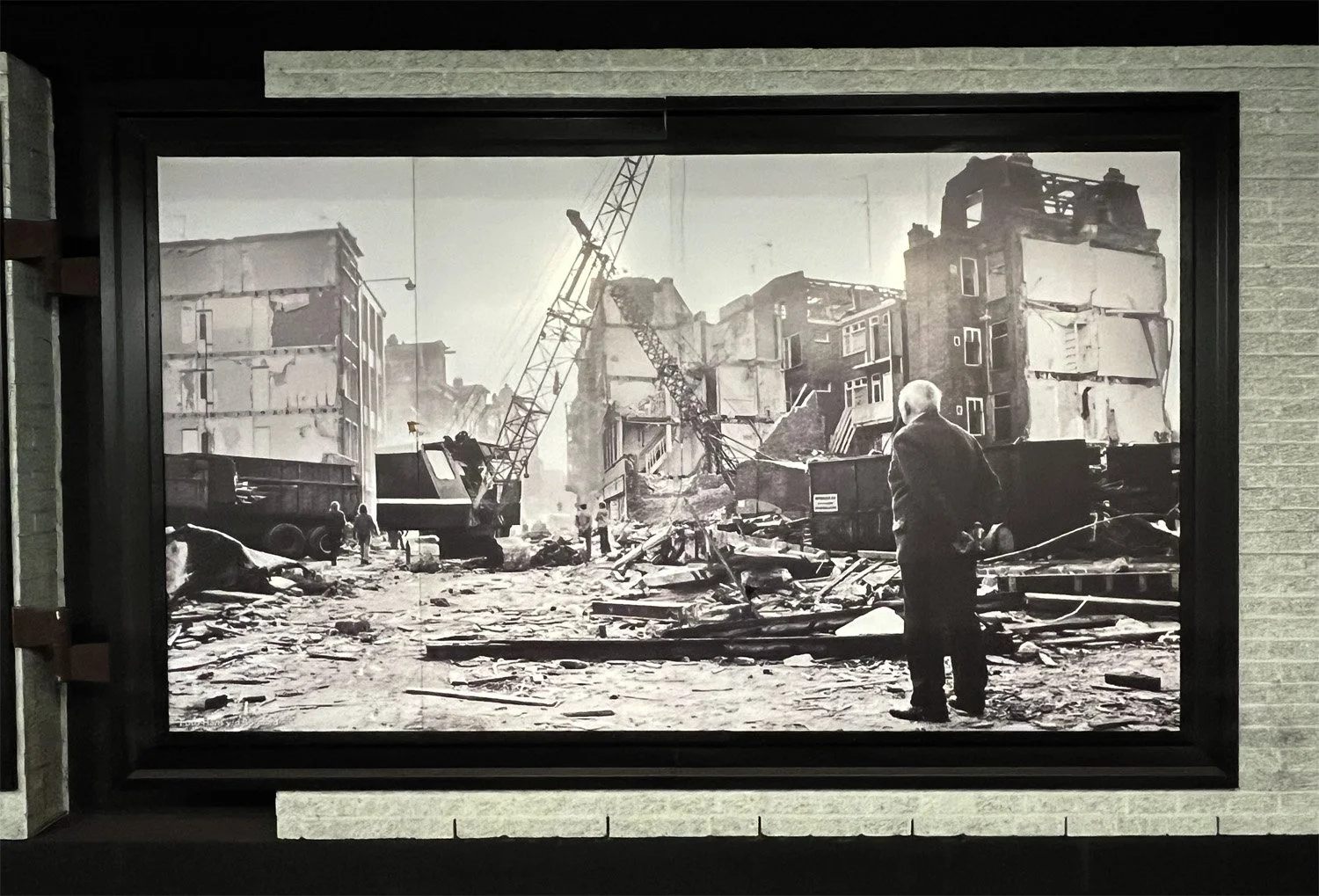
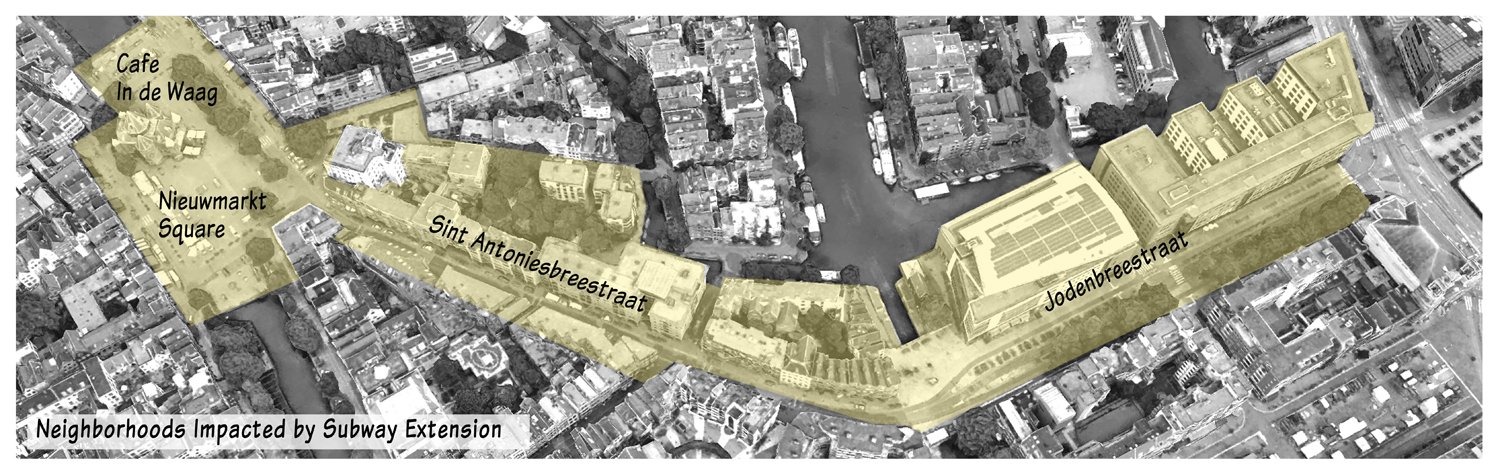
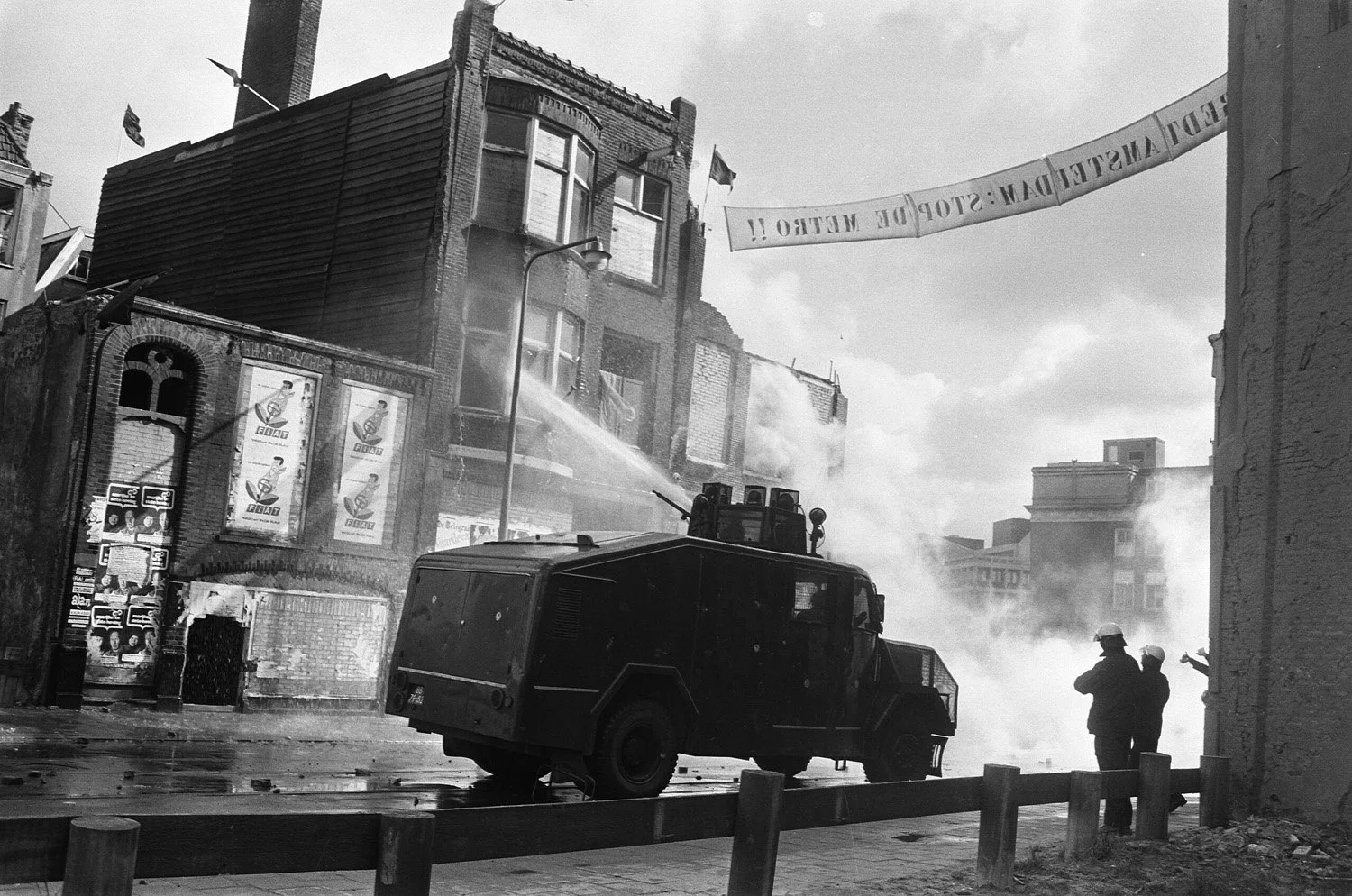
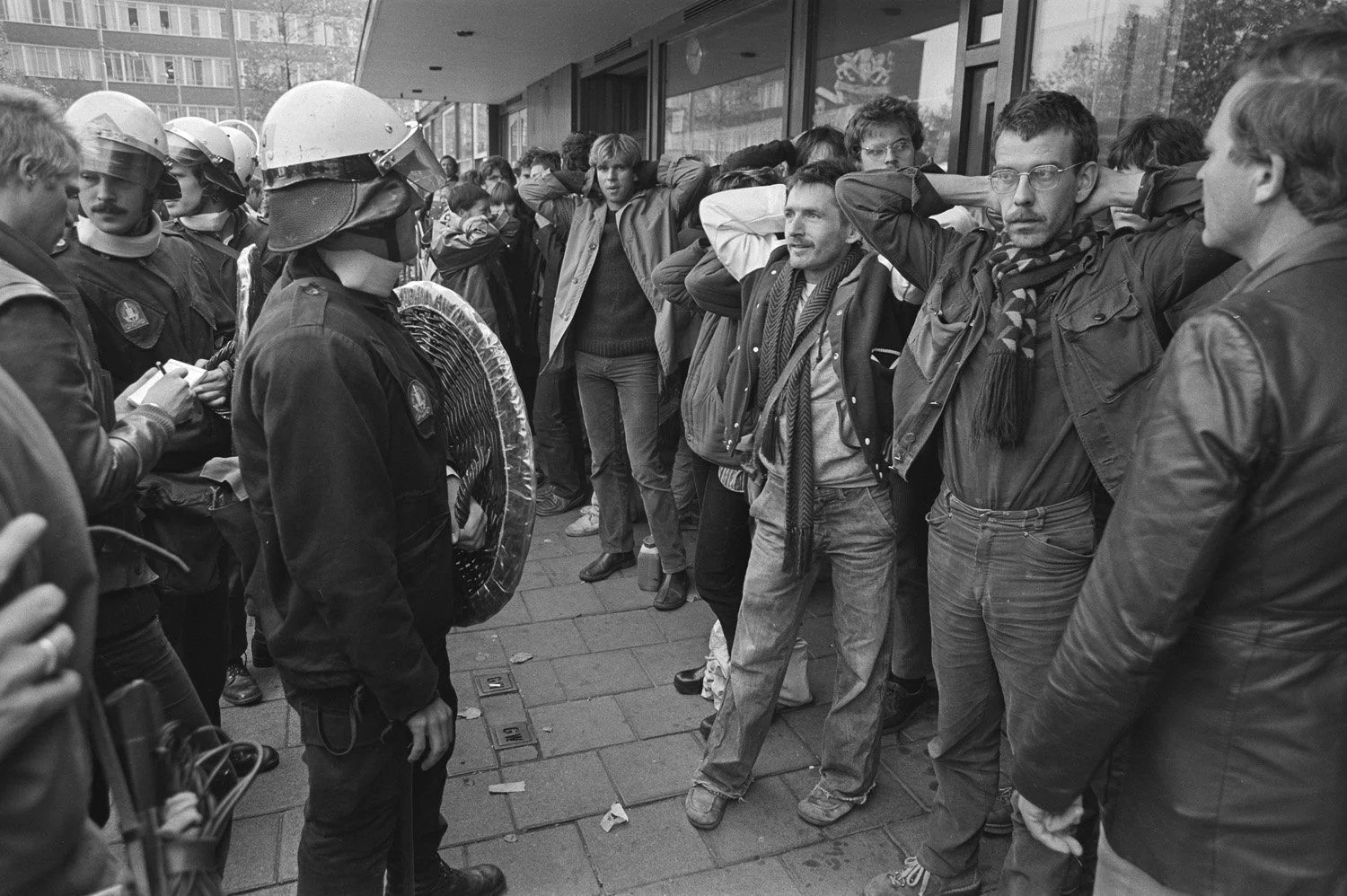
From the subway we walked up a flight of stairs to reach Nieuwmarket. Directly overhead there was public art that involved a giant wrecking ball frozen in time smashing into a brick wall. There was a mural on the wall that showed an old man watching the destruction. The guide explained that in the 1970’s they needed to extend the subway and since the buildings in the old Jewish neighborhoods had been abandoned and were in disrepair, they decided to tear them down to build the extension. He explained that it was controversial, that there had been riots, but in the end the subway went in and the street was rebuilt. Now I was really paying attention and did more research to fill in the story when I got home.
Sint Antoniesbreestraat is visible from Nieuwmarket and connects to Jodenbreestraat , a street that leads into what was the Jewish neighborhood. Jodenbreestraat translates to Jewish Broad Street and in the early 1900’s it was vibrant market area. In the 1940’s the Germans invaded the Netherlands and once they were in control they required all Jews to register. The “Dot Map” was a map that was created by city staff to assist the Germans in locating where Jews lived in Amsterdam. Each dot represents ten Jews on a block. The map almost becomes solid black in the Jewish neighborhoods. I added an overlay to show how the proposed subway route passed through this old neighborhood. You can see a copy of this map if you visit Anne Frank’s house which is just a mile away from this neighborhood.
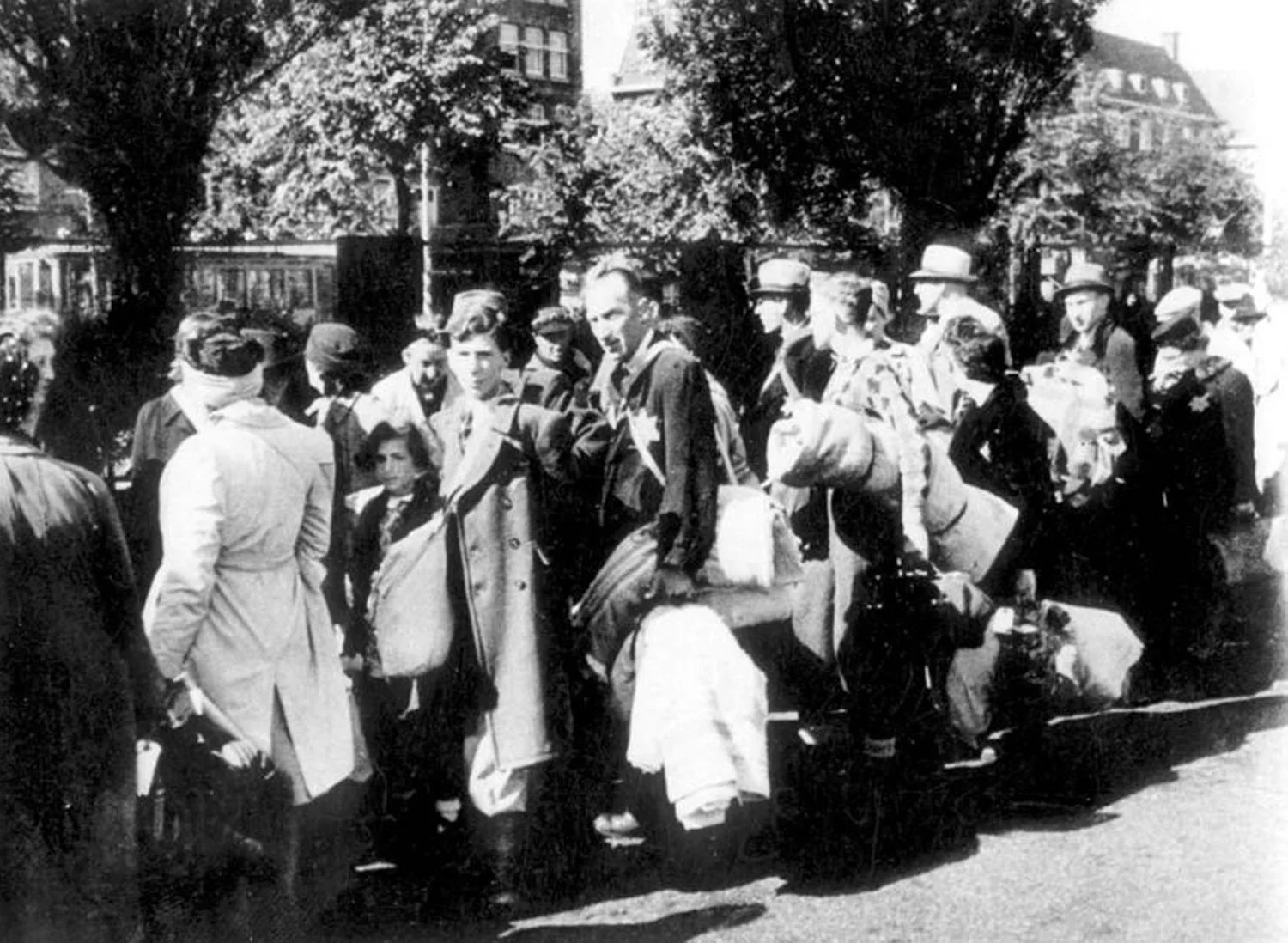
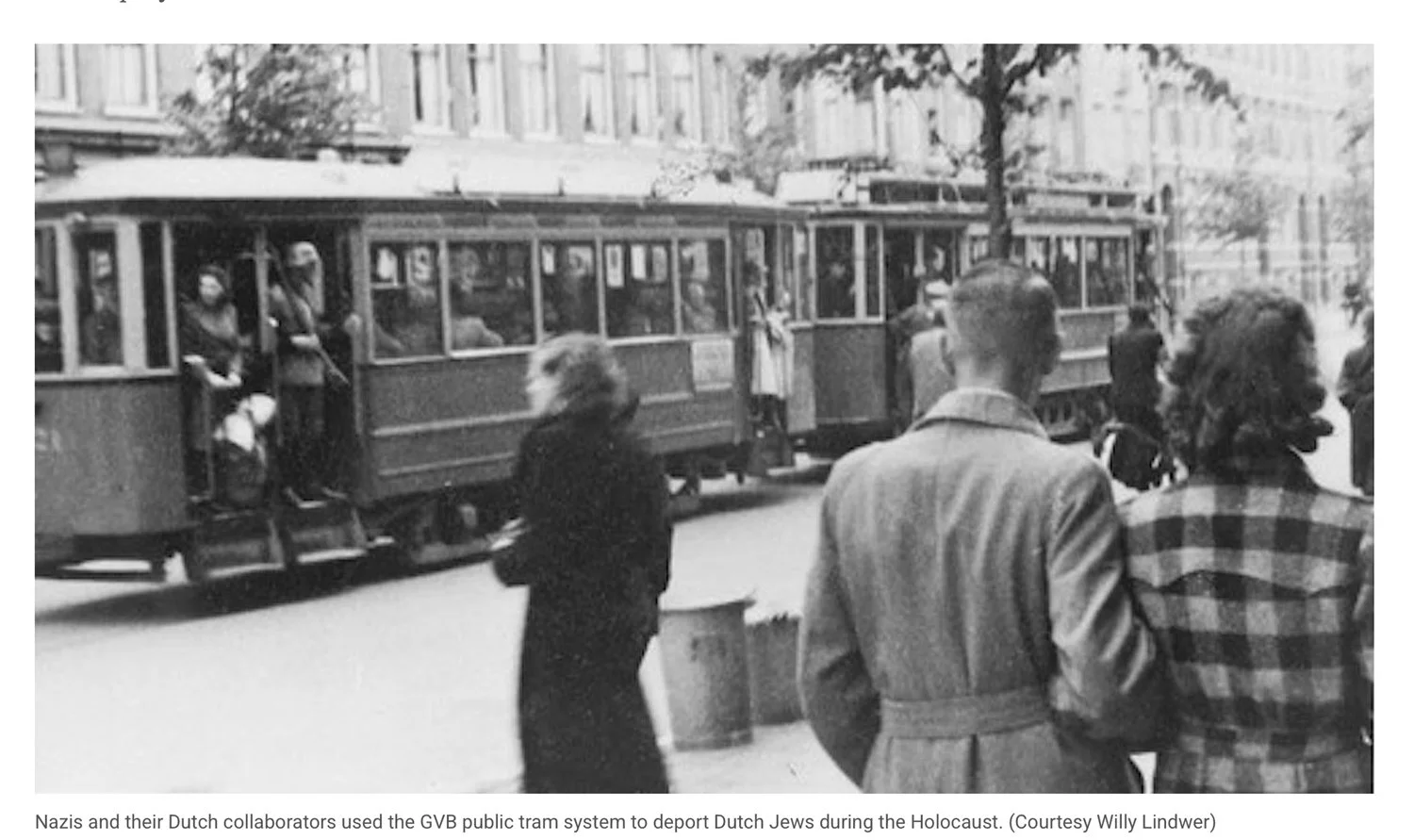
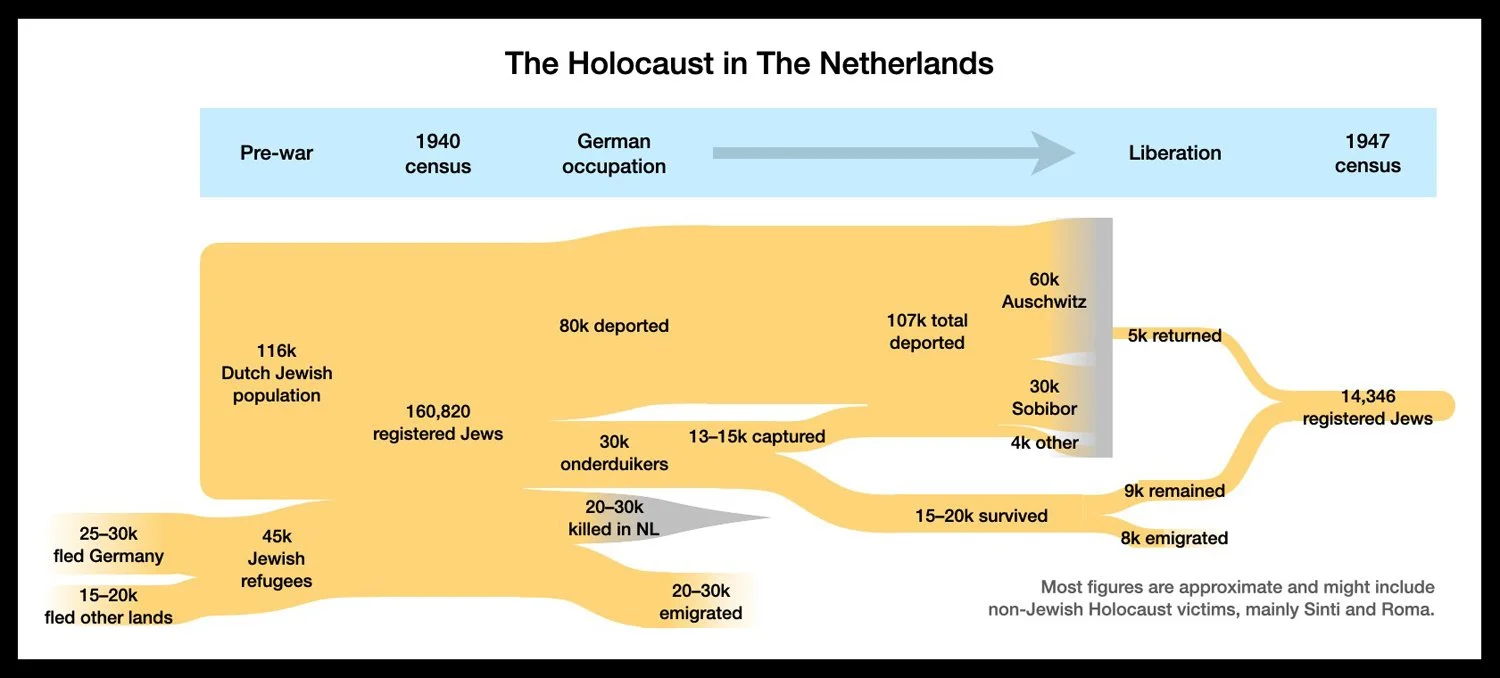
By 1942 Jews were required to wear the Star of David badge and were systematically removed for “police work deployment” to Camp Westerbork in the Netherlands. Local trams were used to help gather the Jews so they could be deported to the Camp. From there most of them were loaded on trains and taken to Auschwitz. Between 1940 and 1947 the number of registered Jews in the Netherlands dropped from over 160,000 to just 14,000. Most of them were killed and very few survivors moved back to Amsterdam. A chilling fact, the tram system we took to Nieuwmarkt during our tour is still run by the same municipal public transport company (GVB) that ran the trams in 1943.
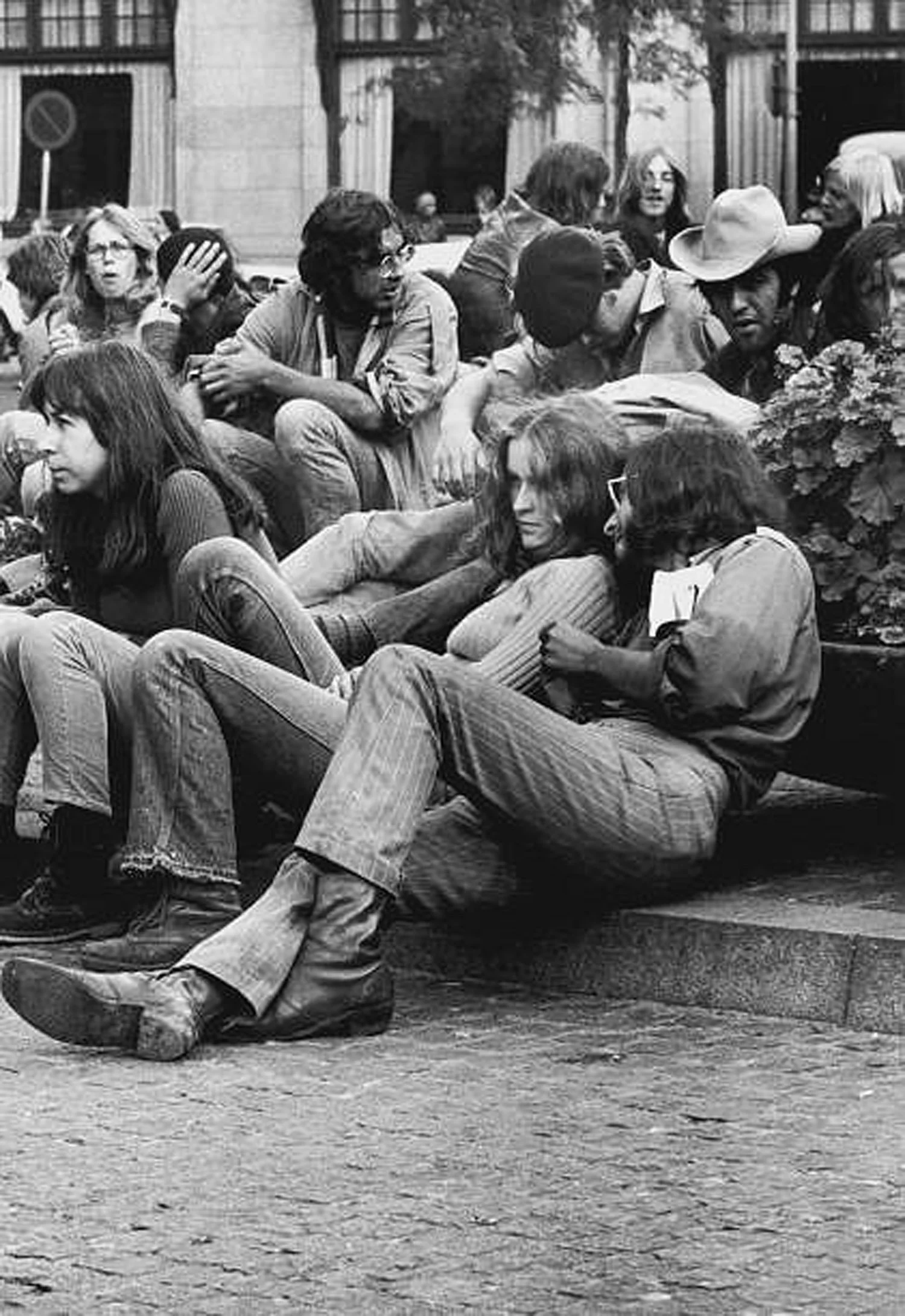
After the war these neighborhoods stayed empty and deteriorated over time. In the 1960’s there was a strong hippy movement in Old Amsterdam, and these abandoned neighborhoods were a target for squatters, underground art and a growing “counterculture” scene. When the government targeted this area for demolition in 1975 so they could expand the subway system, there was public protest and riots. In a sense the protest was successful because other future expansions of the metro system were abandoned, but the Nieuwmarkt Station was built and the historical buildings replaced.
I suppose our guide was accurate when he said the neighborhood was “making a come back”, but what he didn’t say was the people that lived there before were never coming back and that is why it was the most convenient pathway for the subway expansion.
Taking a Walk in Breisach



The walk in Breisach was on the last day of our cruise
Breisach is a small working class German town with no Christmas markets, big museums, or fancy shopping streets. We stayed there overnight, but Viking’s daily excursions took you on long bus rides to other cities. Clearly they didn’t consider Breisach a highlight of the trip.
After eight days of touring, I couldn’t face another bus ride with a guide chatting in my ear. A quiet walk on my own in a small German town, sounded just right. I decided to shape my journey around trying to get some Christmas gifts for my five year old grandson and found a route on Google Maps that took me by a grocery store and a toy shop.
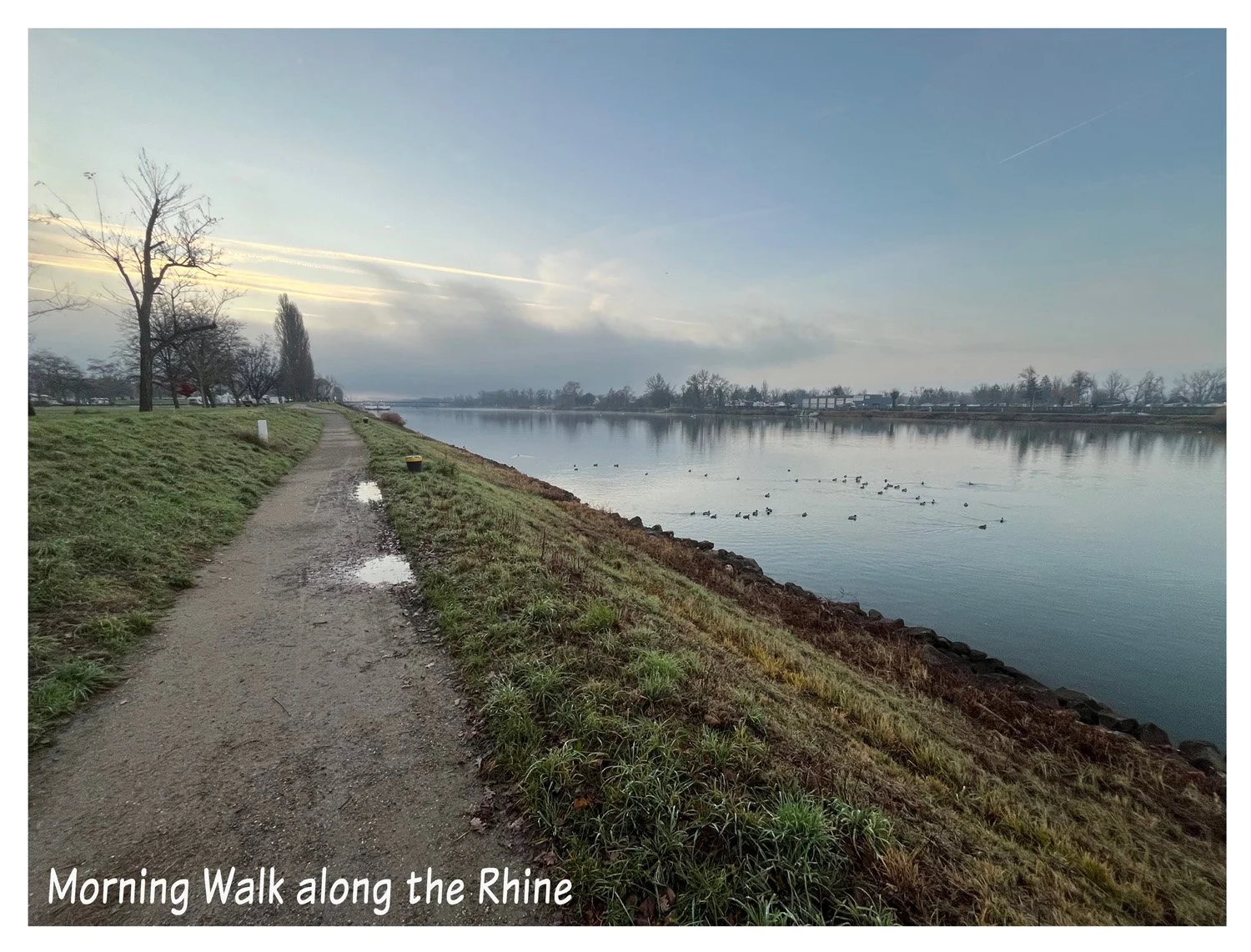
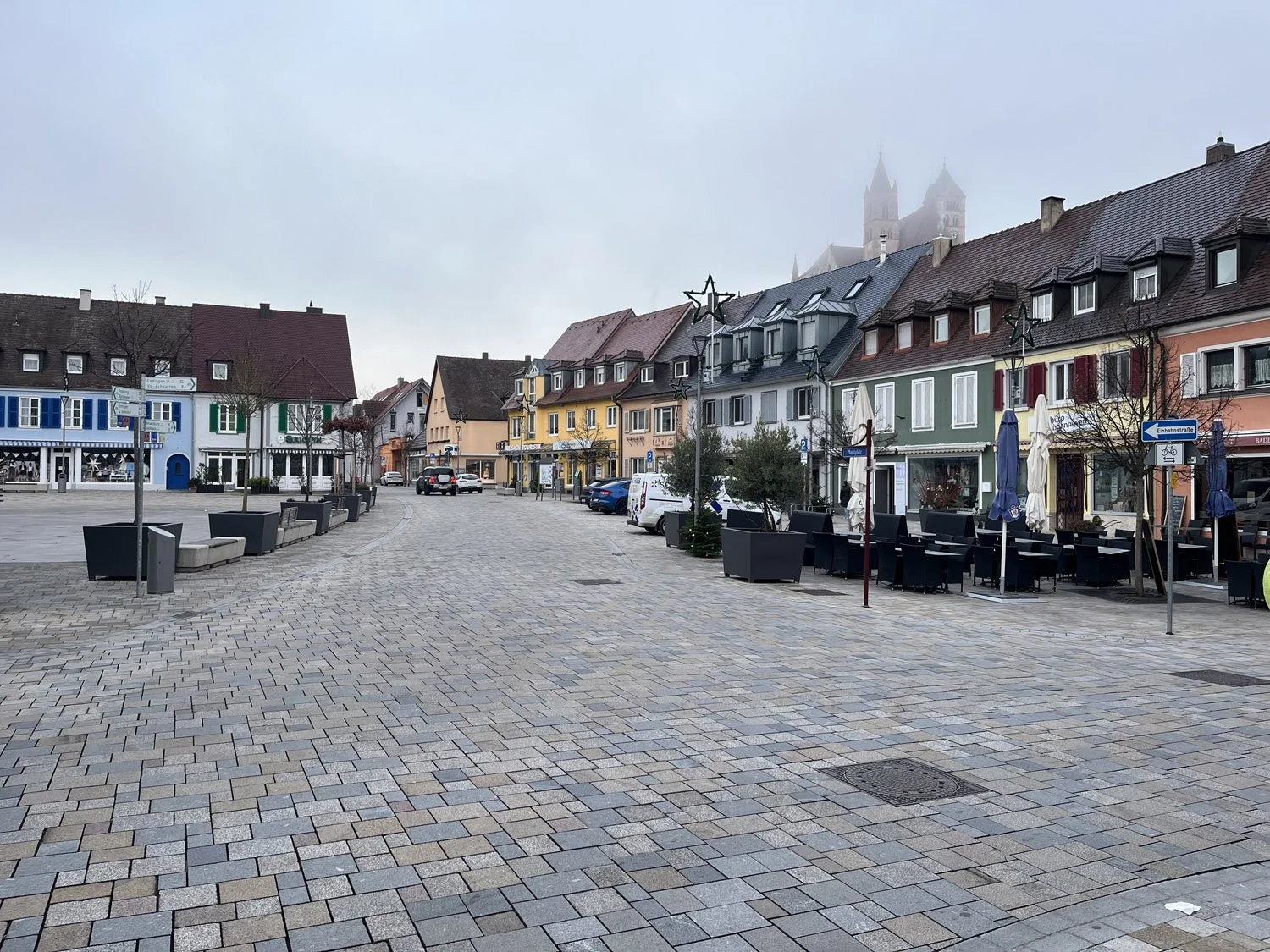
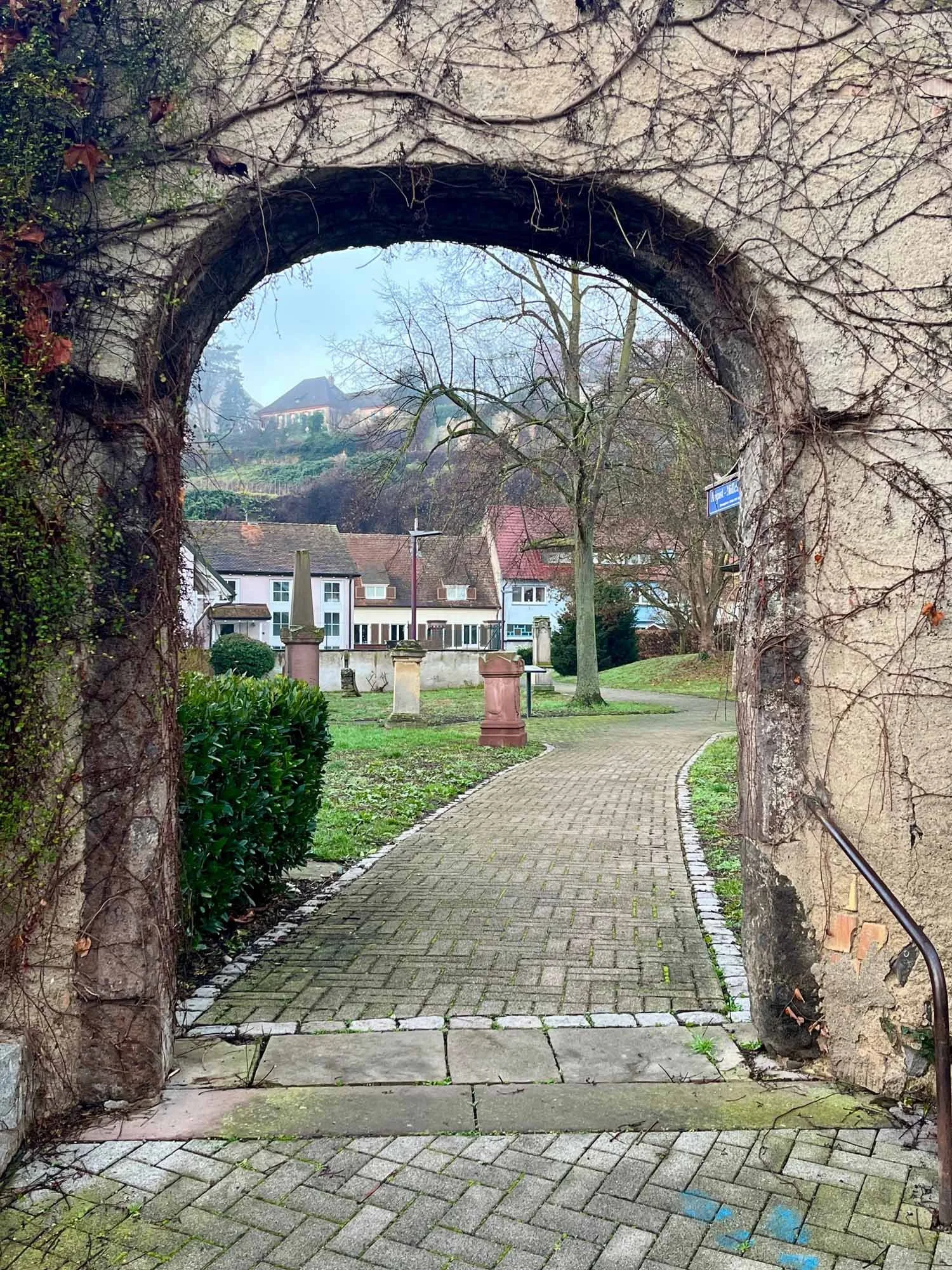
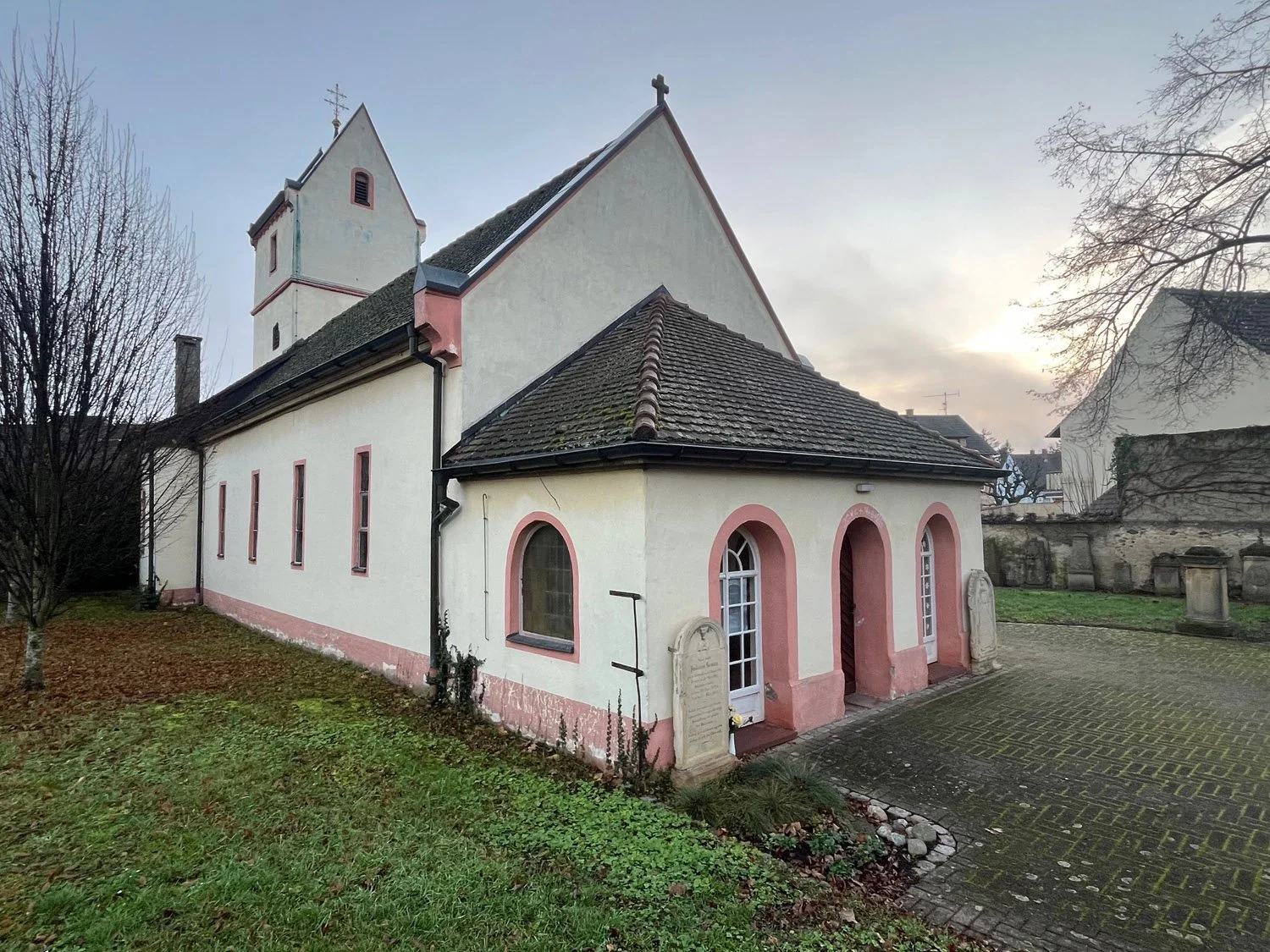
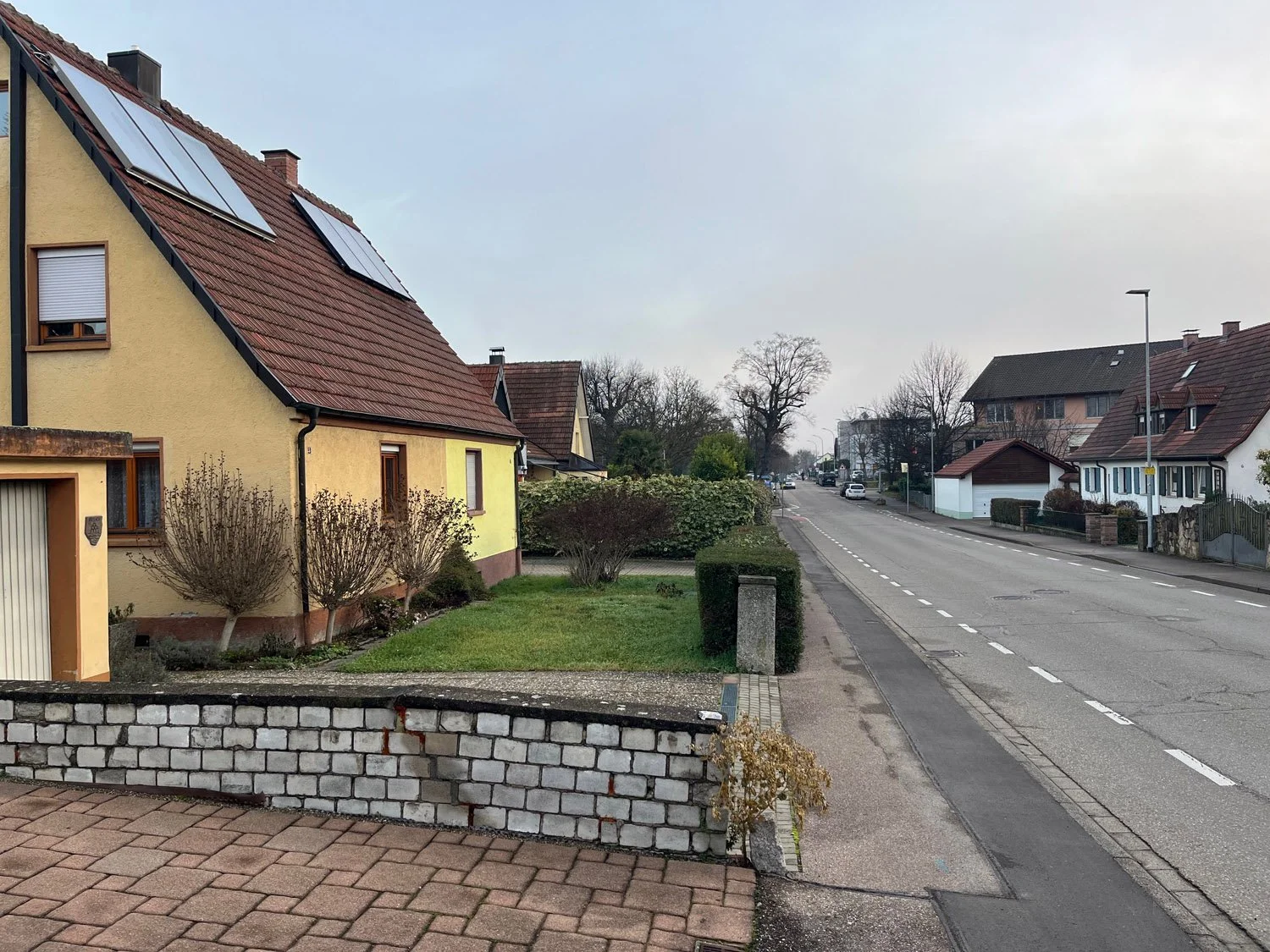
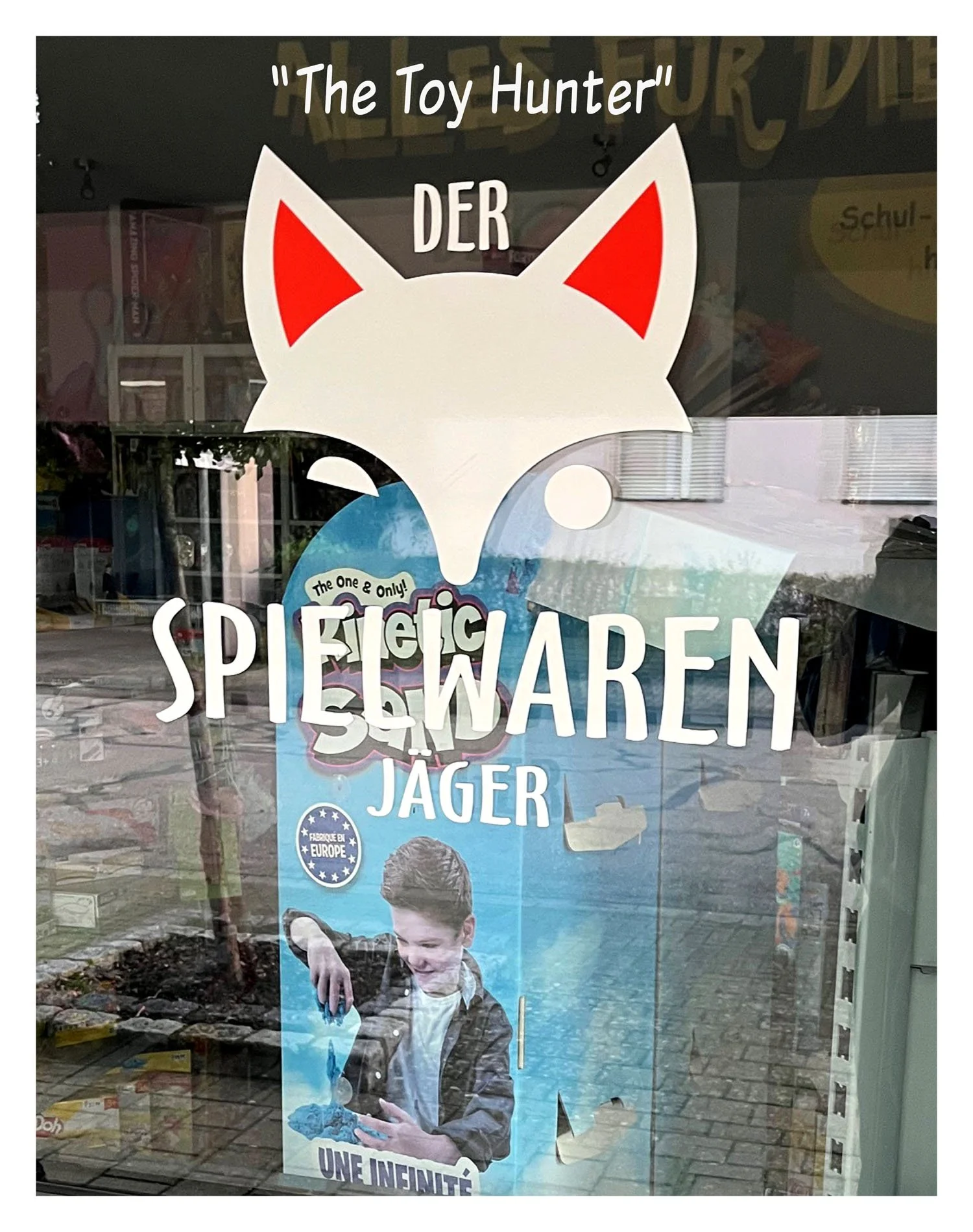
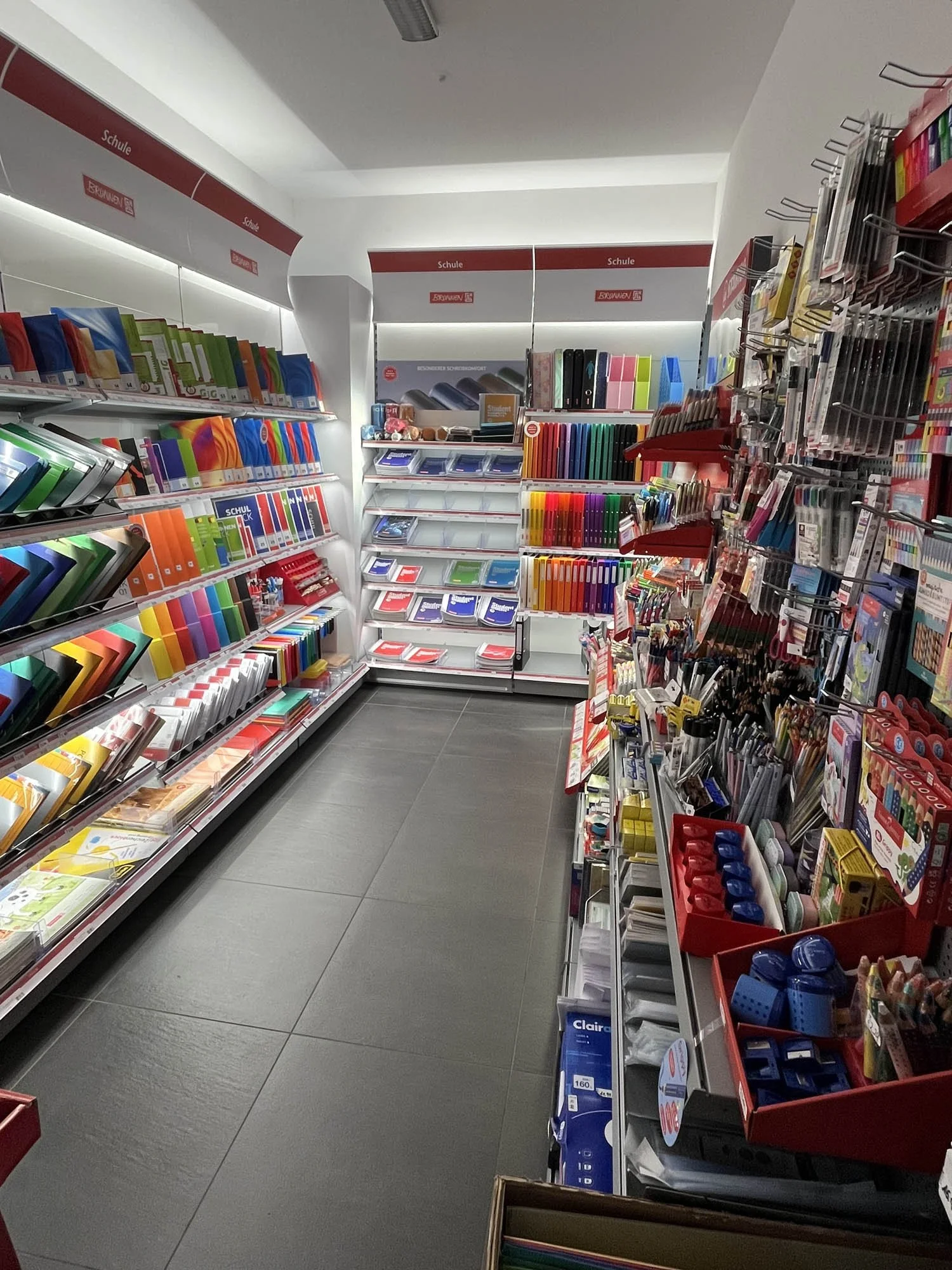
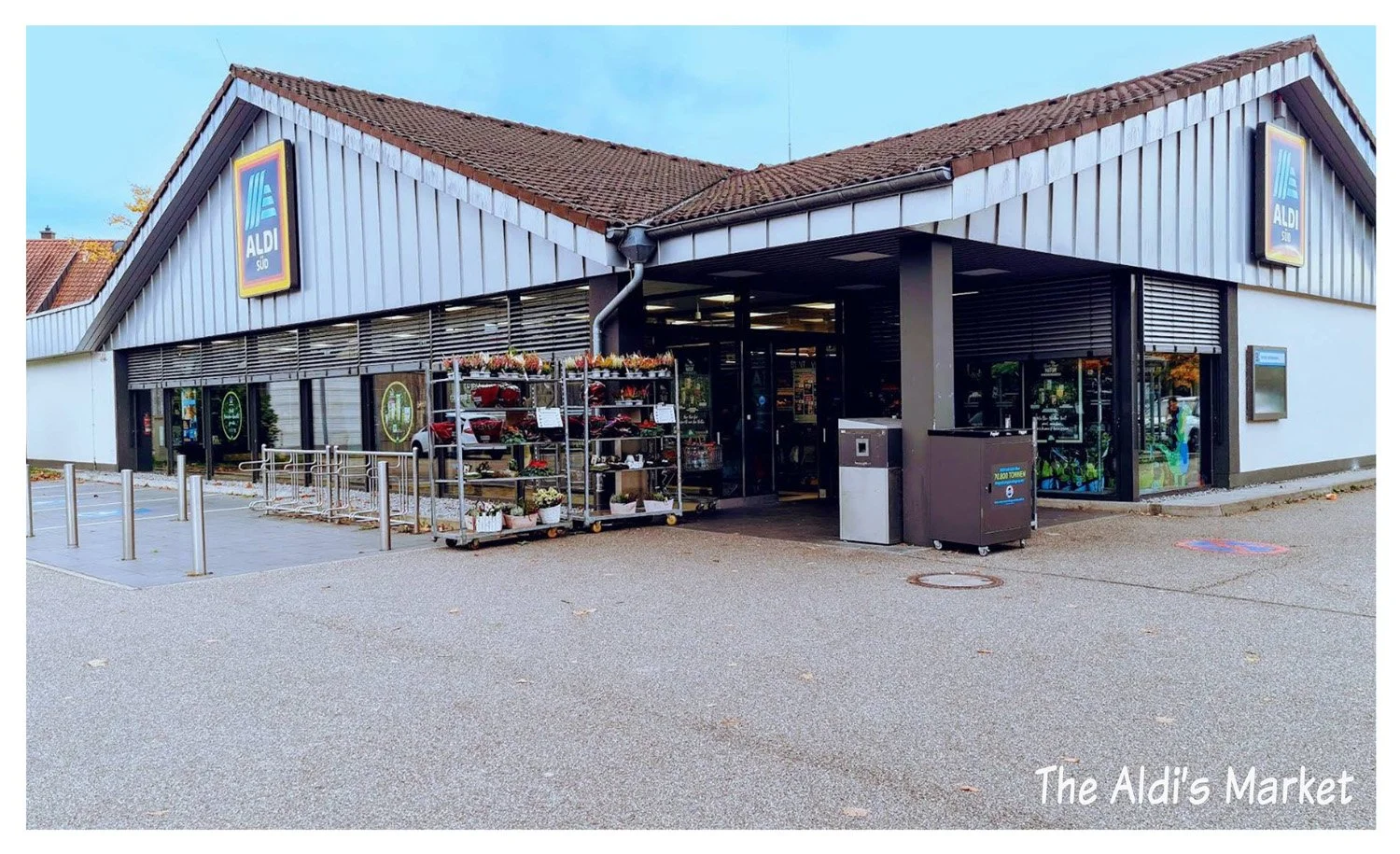
As I headed out the morning fog was lifting and a trail took me along the Rhine into town. When I reached the town center it was quiet and empty. I found an old church along the way and made my way through a neat and tidy residential area. The market I picked was an Aldi’s and I only picked it because I knew the name. Aldi’s was founded in Germany, so it was not surprising that I ran into one. Aldi’s is famous for its “ aisle of shame”, a specialty shopping aisle that was packed with Christmas gifts and candy. The toy shop was also lovely. It was called “Der Spielwaren Jager” or “The Toy Hunter” and it specialized in Legos. They had a separate room for school supplies that was so nicely organized and well-lit that it looked like a gallery display.
As I headed back to the ship, my backpack was a little heavier with the gifts I picked up, and I felt satisfied that I had completed successful journey. Little did I know how much more of the Rhine history was waiting for me around the corner.
The Cemetery


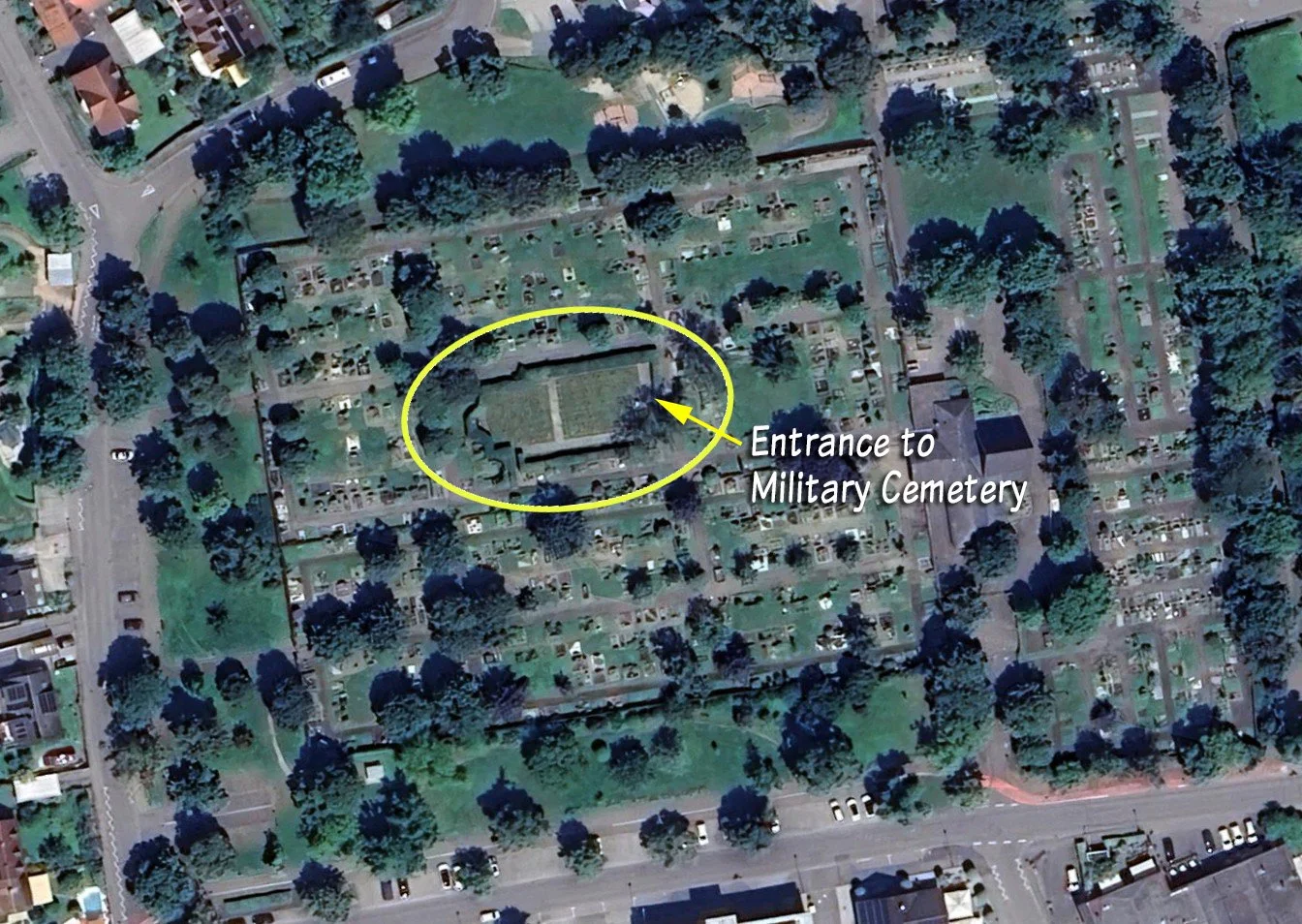
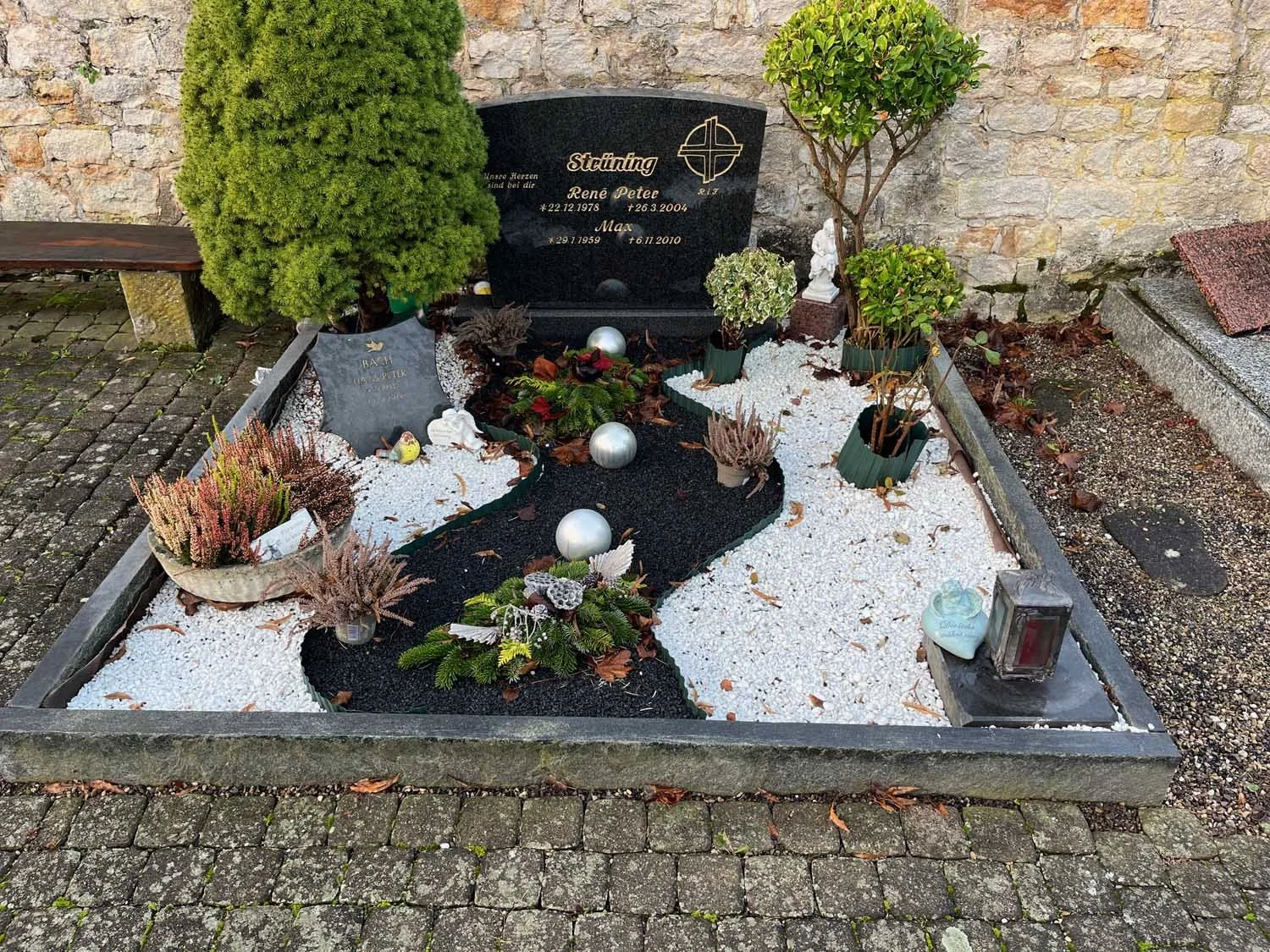
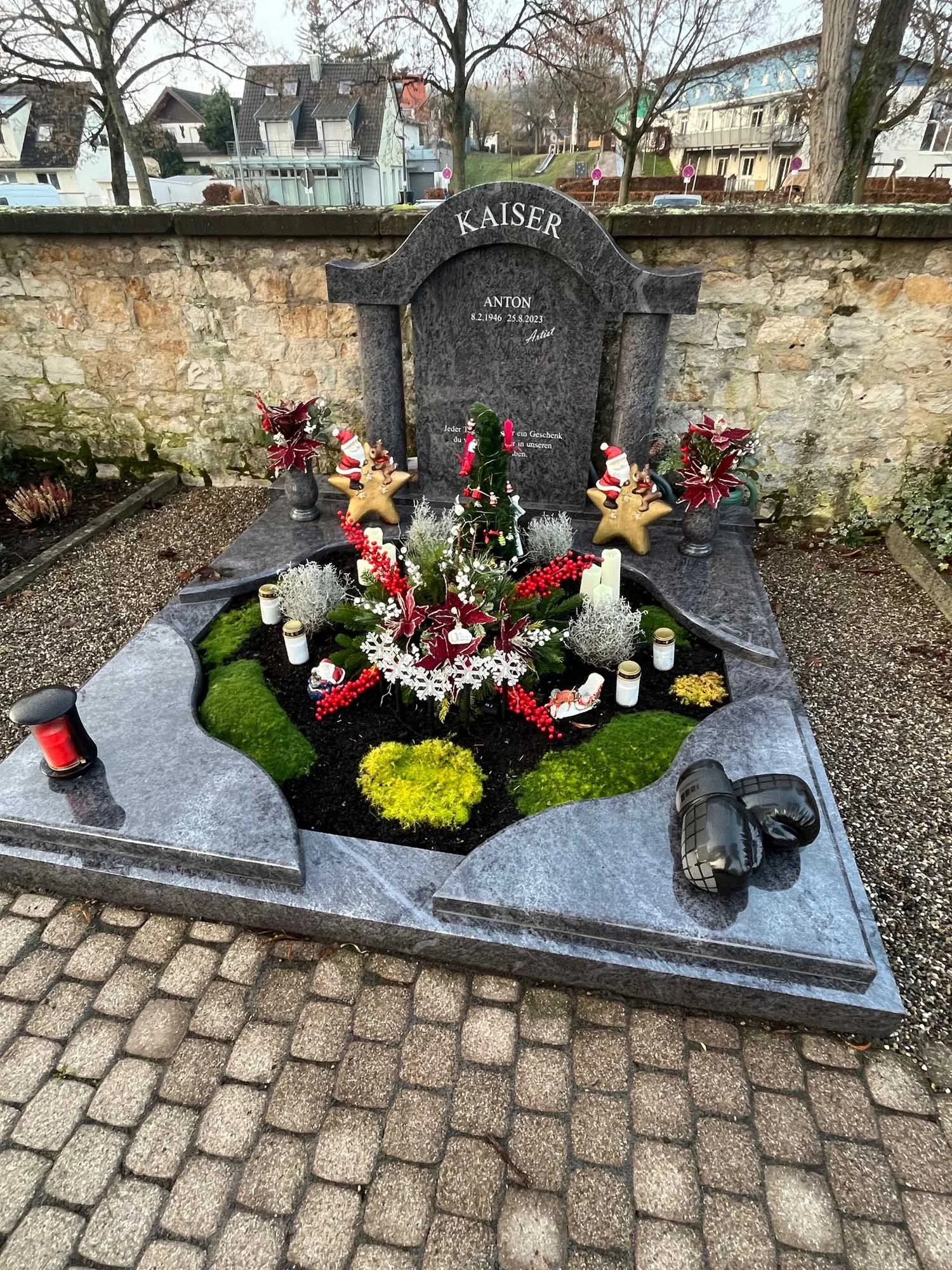
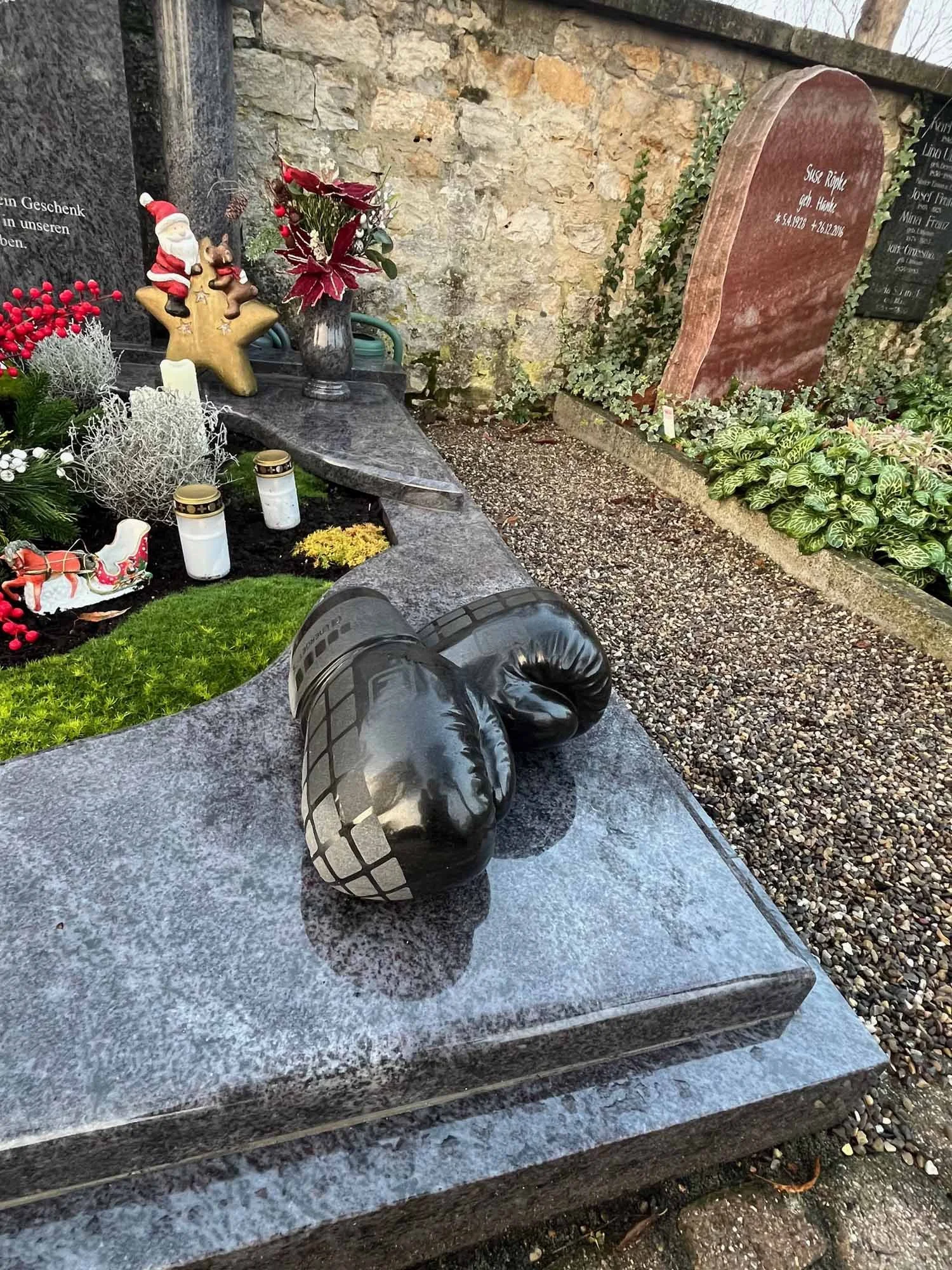
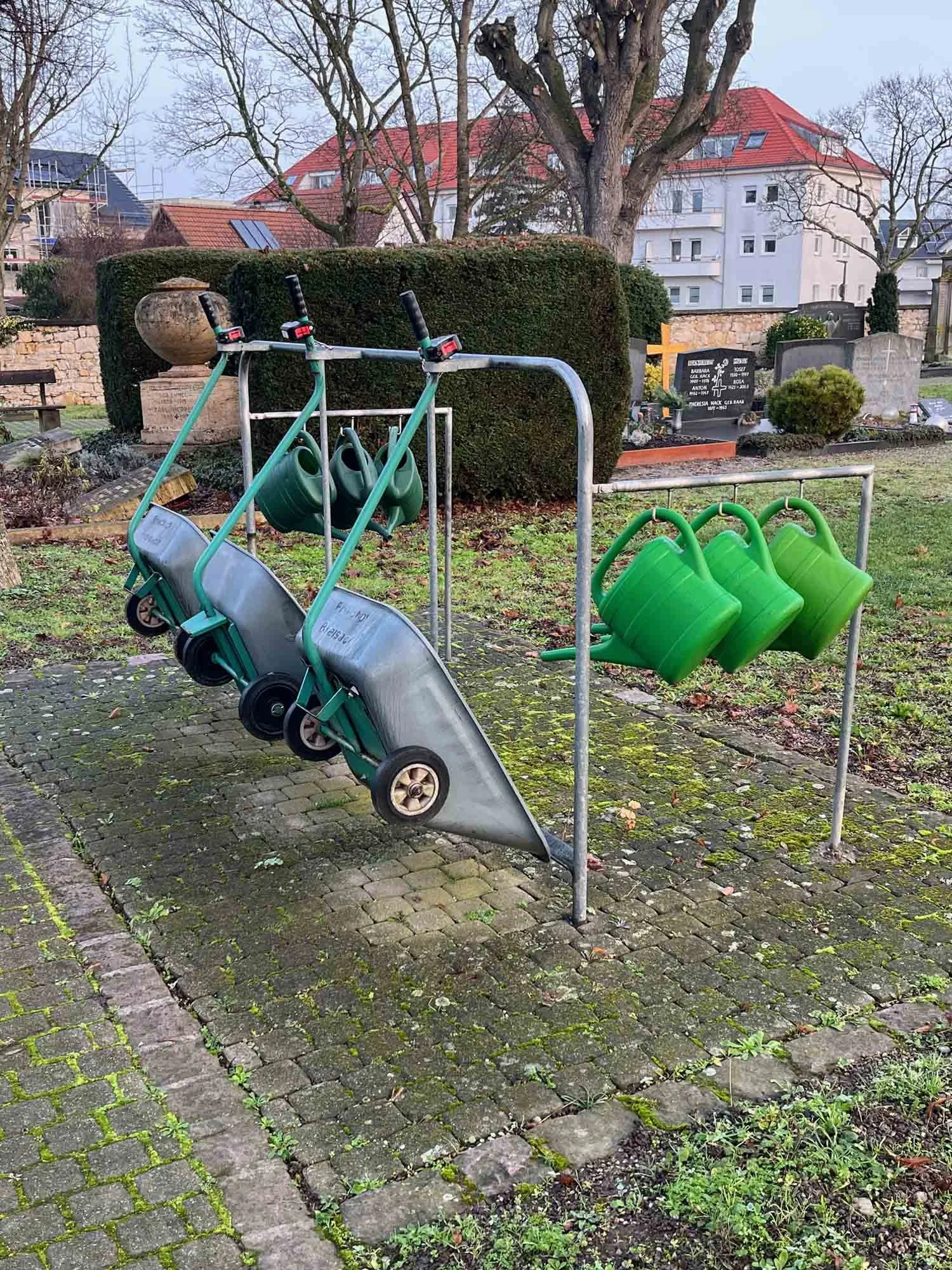
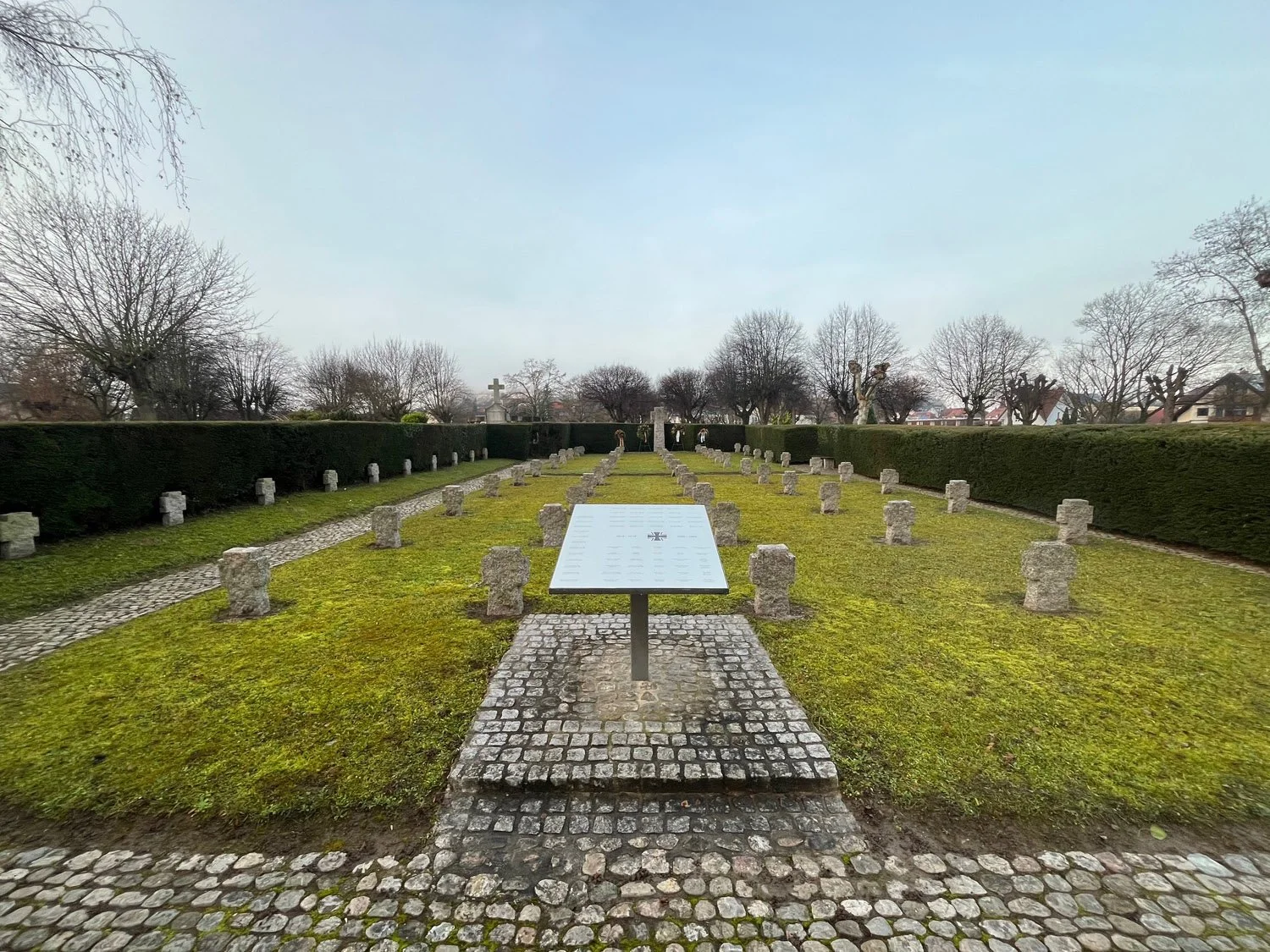
I noticed this cemetery on the way out but decided to walk through it on the way back. The burial plots were unique, with a stone or wooden frame around them making a raised platform, decorated with plants and objects much like the Mexican ofrendas we are familiar with in California. There were Christmas decorations, angels, bulbs and artwork. Some of the headstones were old, but many were current and held multiple members of the same family. There was a nicely organized rack with wheel barrels and watering cans to encourage you to garden. The whole place had a bright spirit that I found uplifting and it said a lot about this small town community.
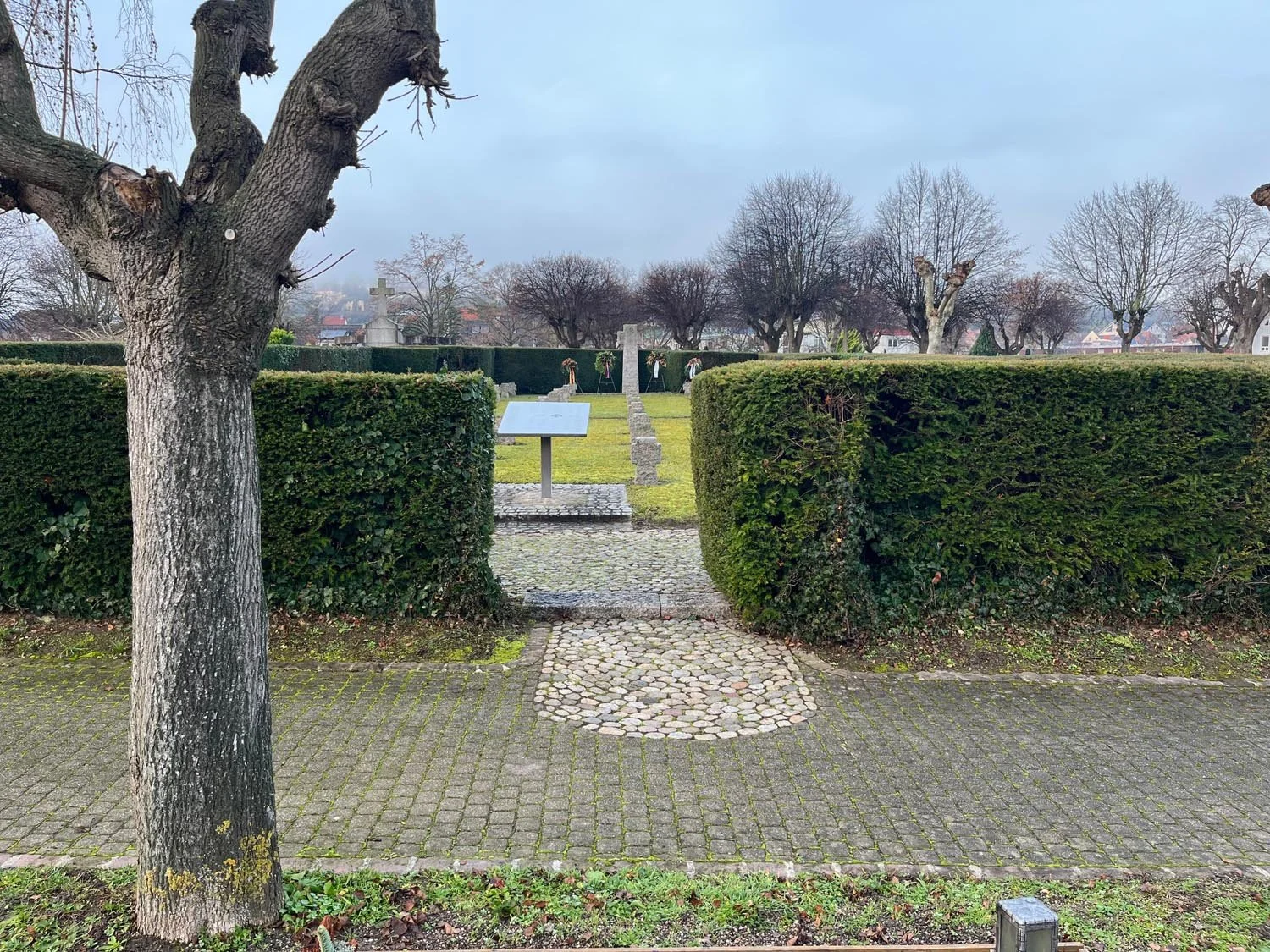
I noticed a tall rectangular hedge row in the center of the cemetery that concealed what was behind it. The top of one roughhewn stone cross just showed above the landscaping. I walked around the whole perimeter before I found a small gap in the hedge.
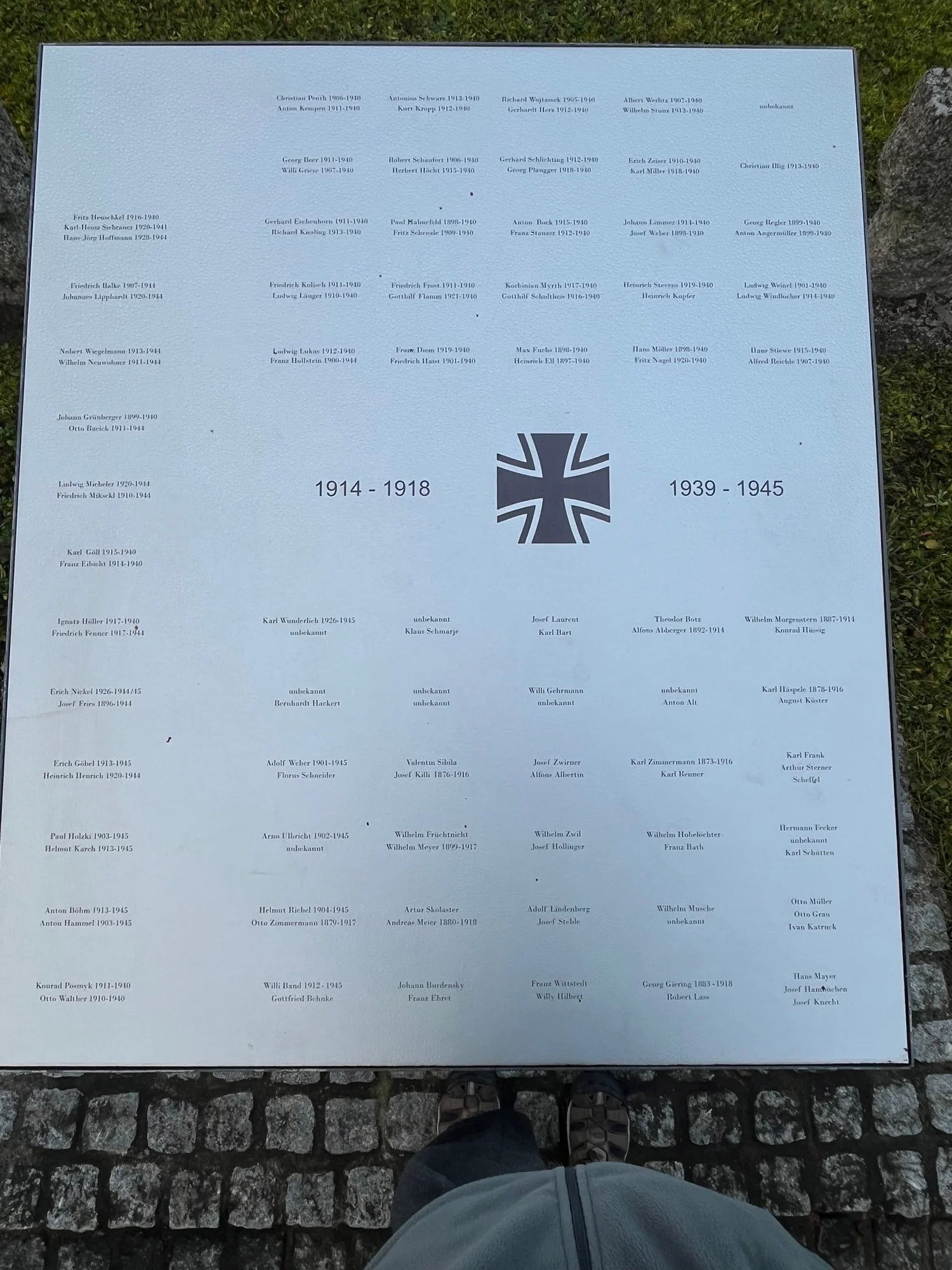
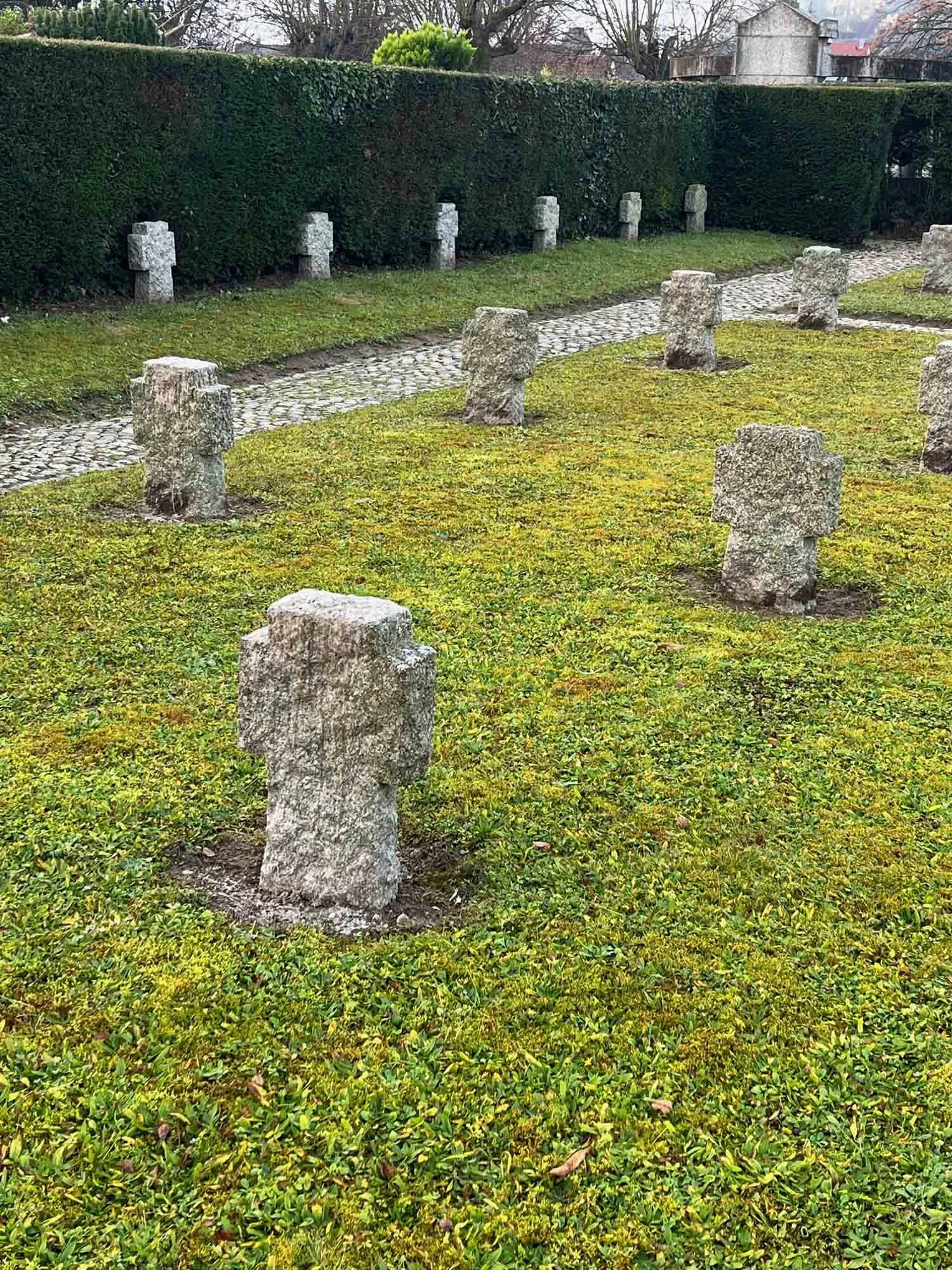
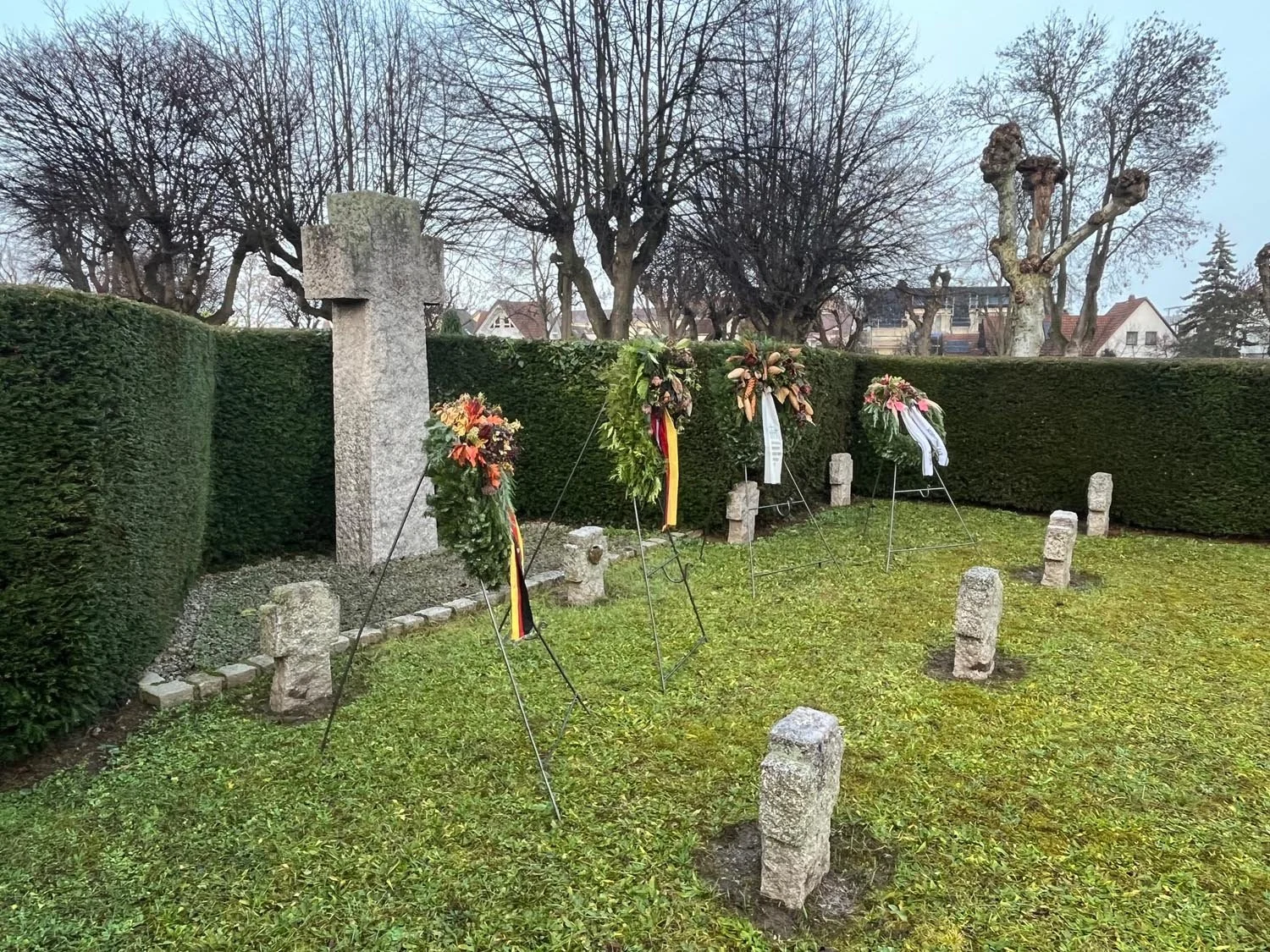
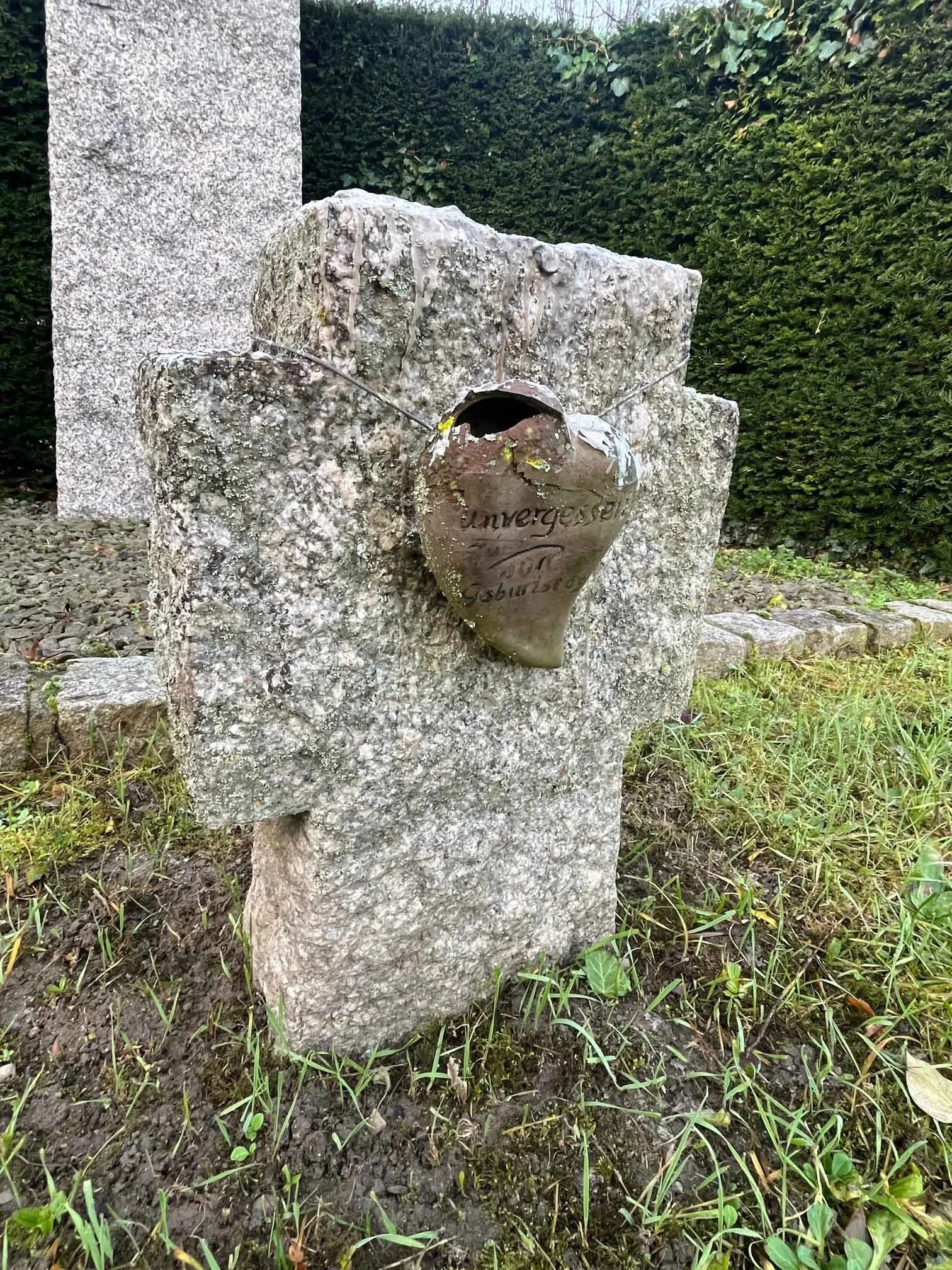
Within this quiet concealed space was a small military cemetery for German soldiers from the First and Second World War. There were over sixty small stone markers, carefully spaced, all unmarked. There was a plaque at the entrance with the names and dates for the men buried there. Two to three men were buried under each marker. At one end was the larger cross that I saw above the hedgerow as well as several wreaths on stands. One single unmarked grave had a ceramic heart hanging on it that looked quite old. A German friend helped translated the inscription, “Never Forgotten, 100th Birthday”.
We celebrate our Veterans here in the states with holidays, flags and parades, but history is more complicated for the Germans. For a cemetery that is so alive with remembrance on the perimeter to have such a somber remembrance in its core was impactful. Mostly it was private and with all the other things I saw on this trip, I guess I can understand why.
The Breisacher Stephansmünster


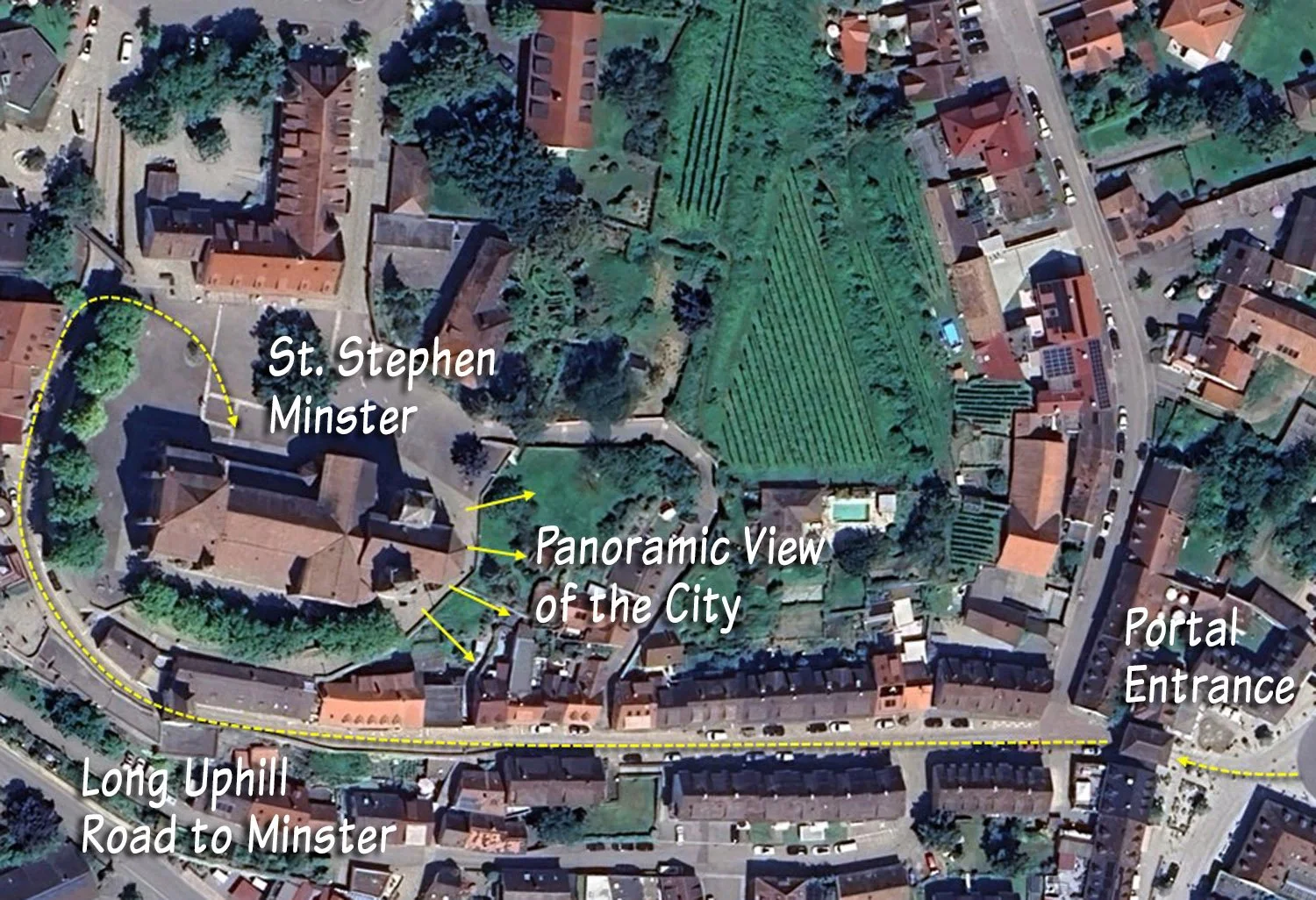
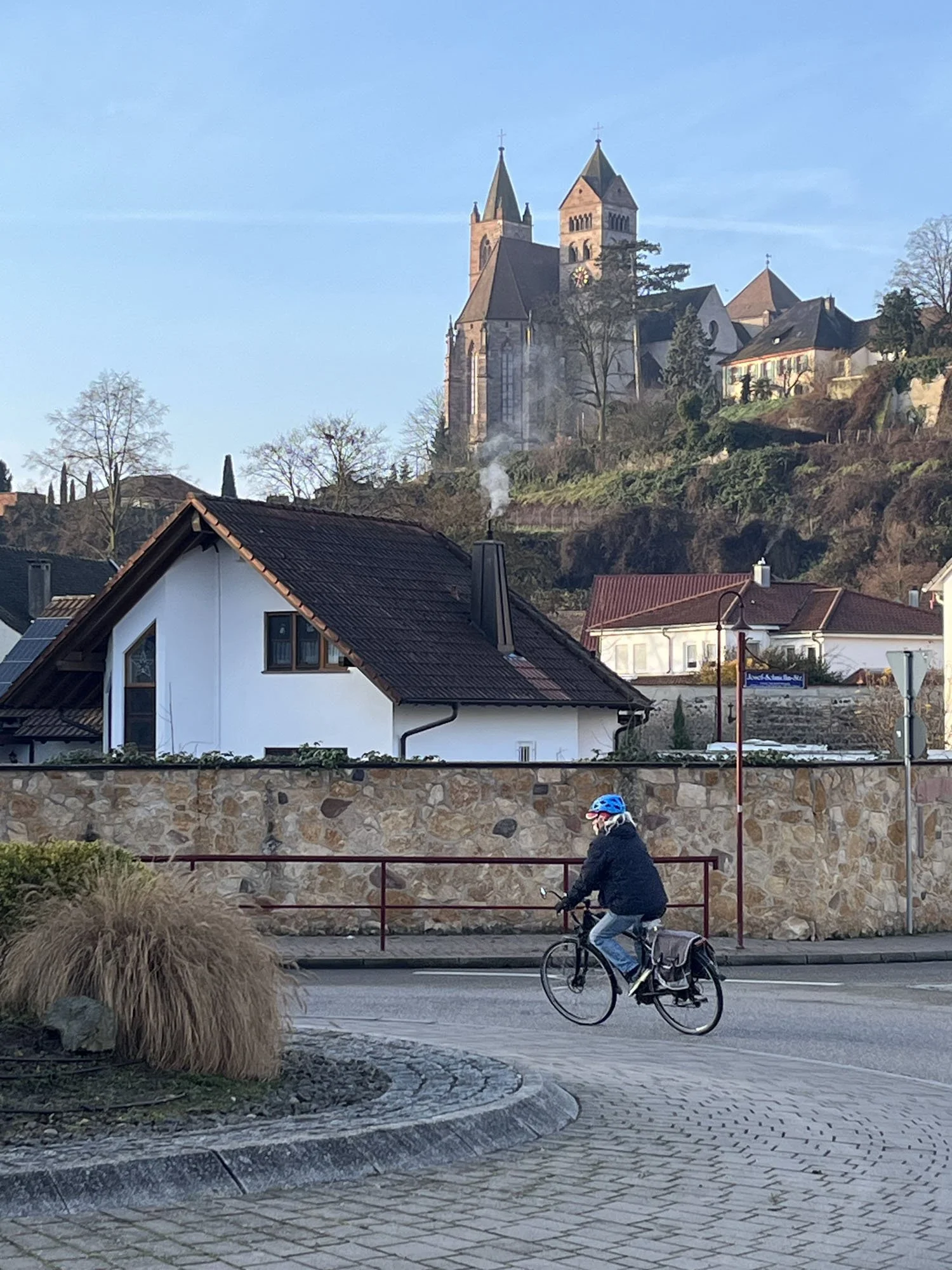
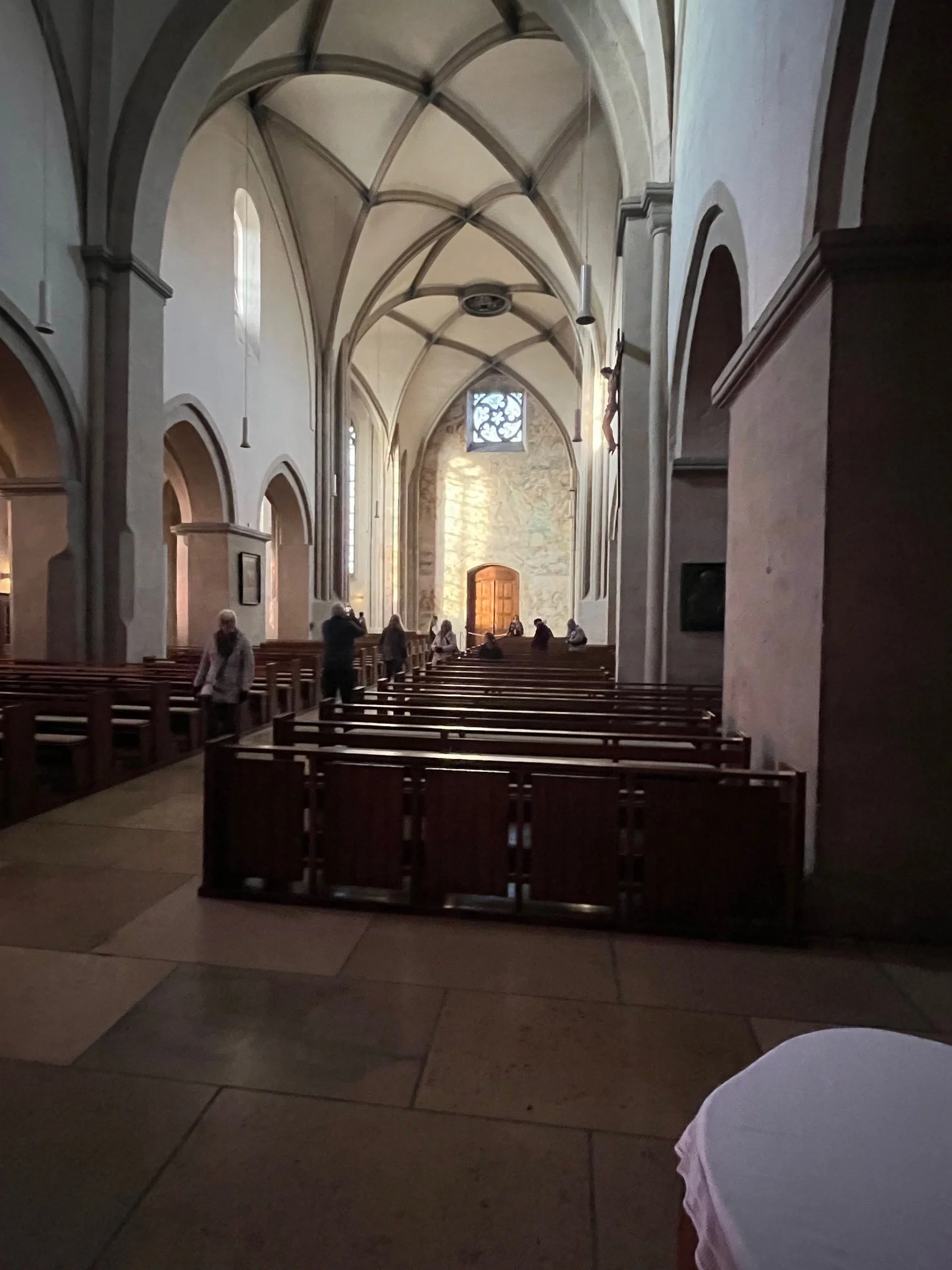
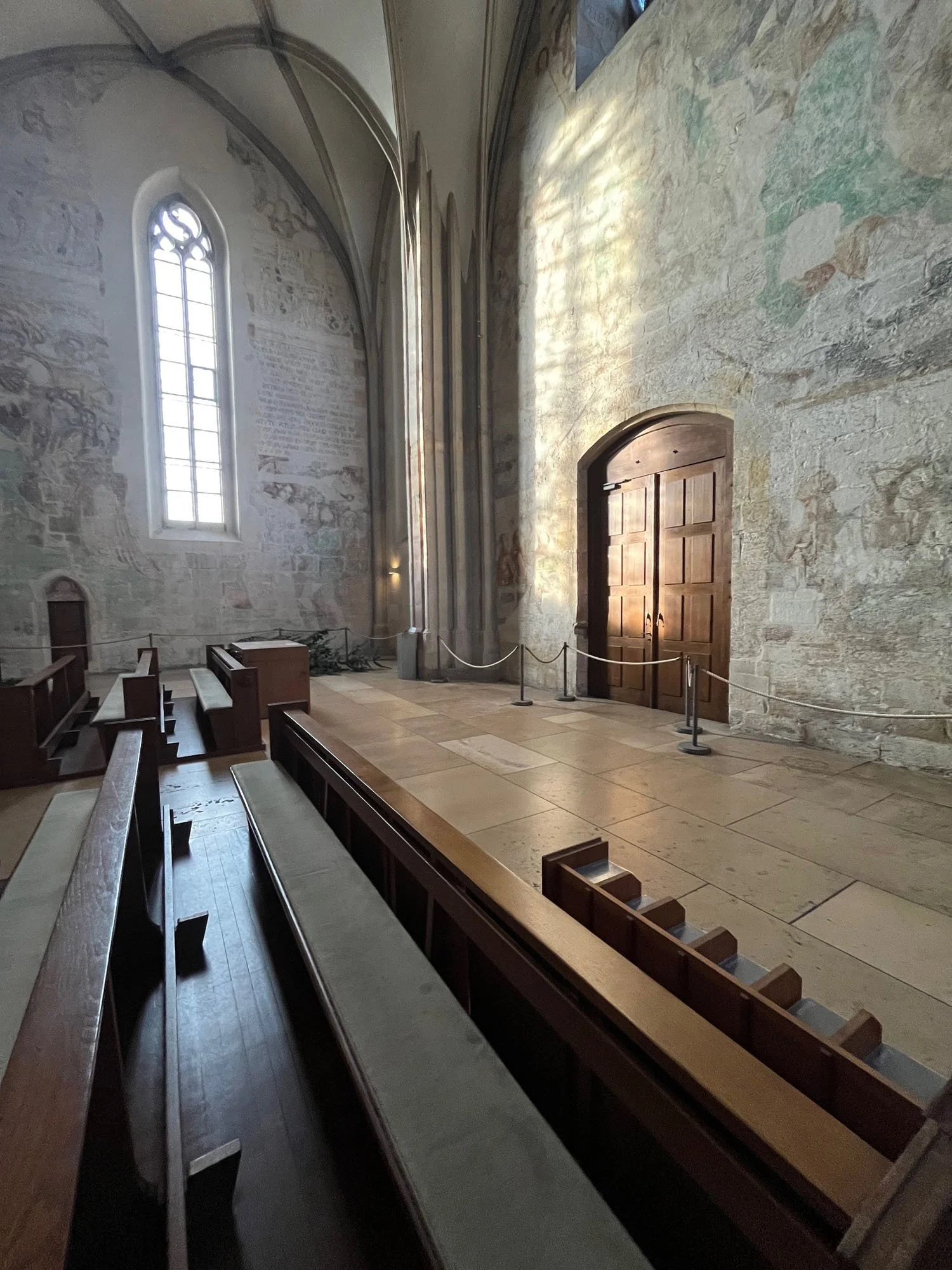

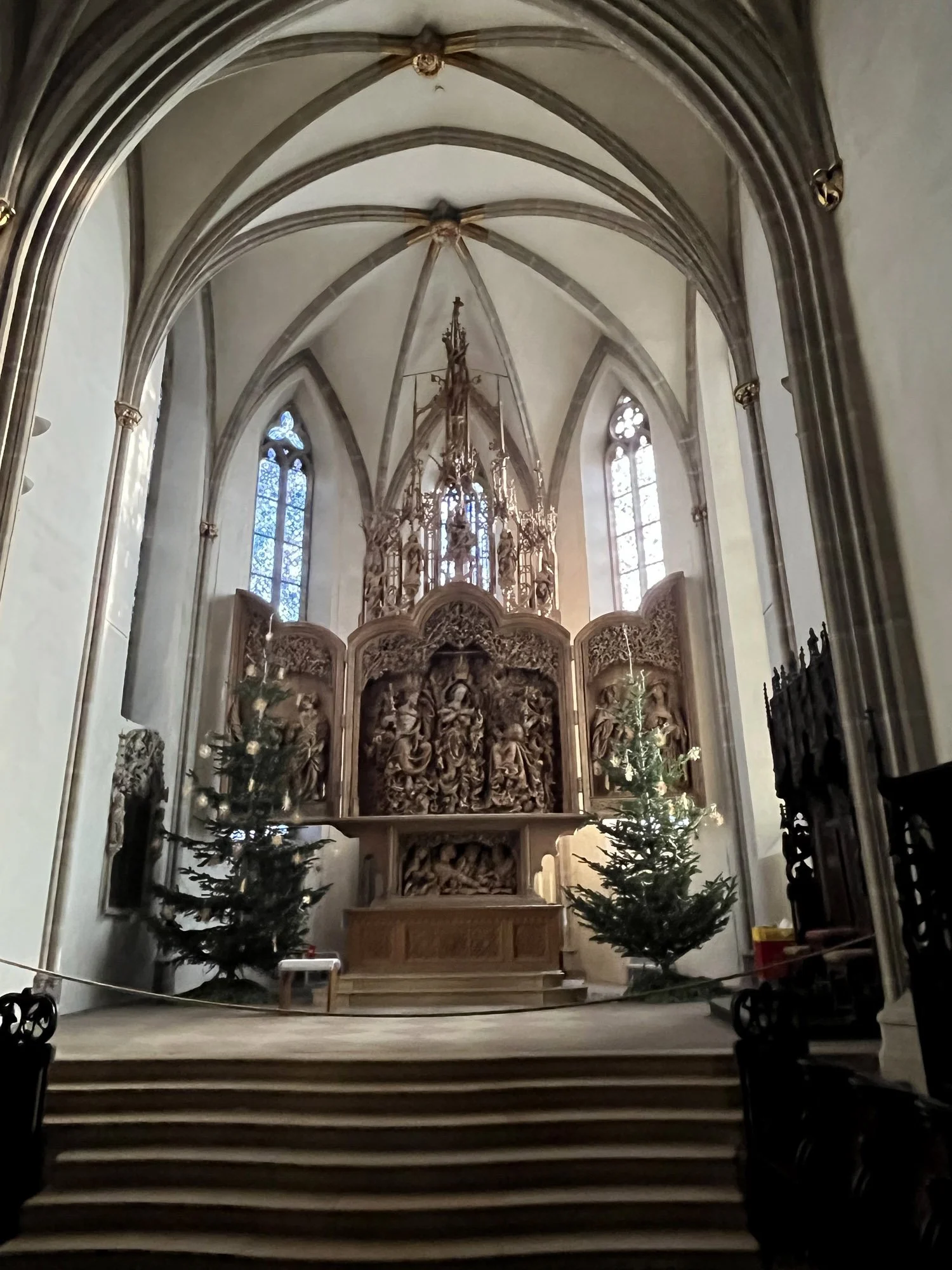
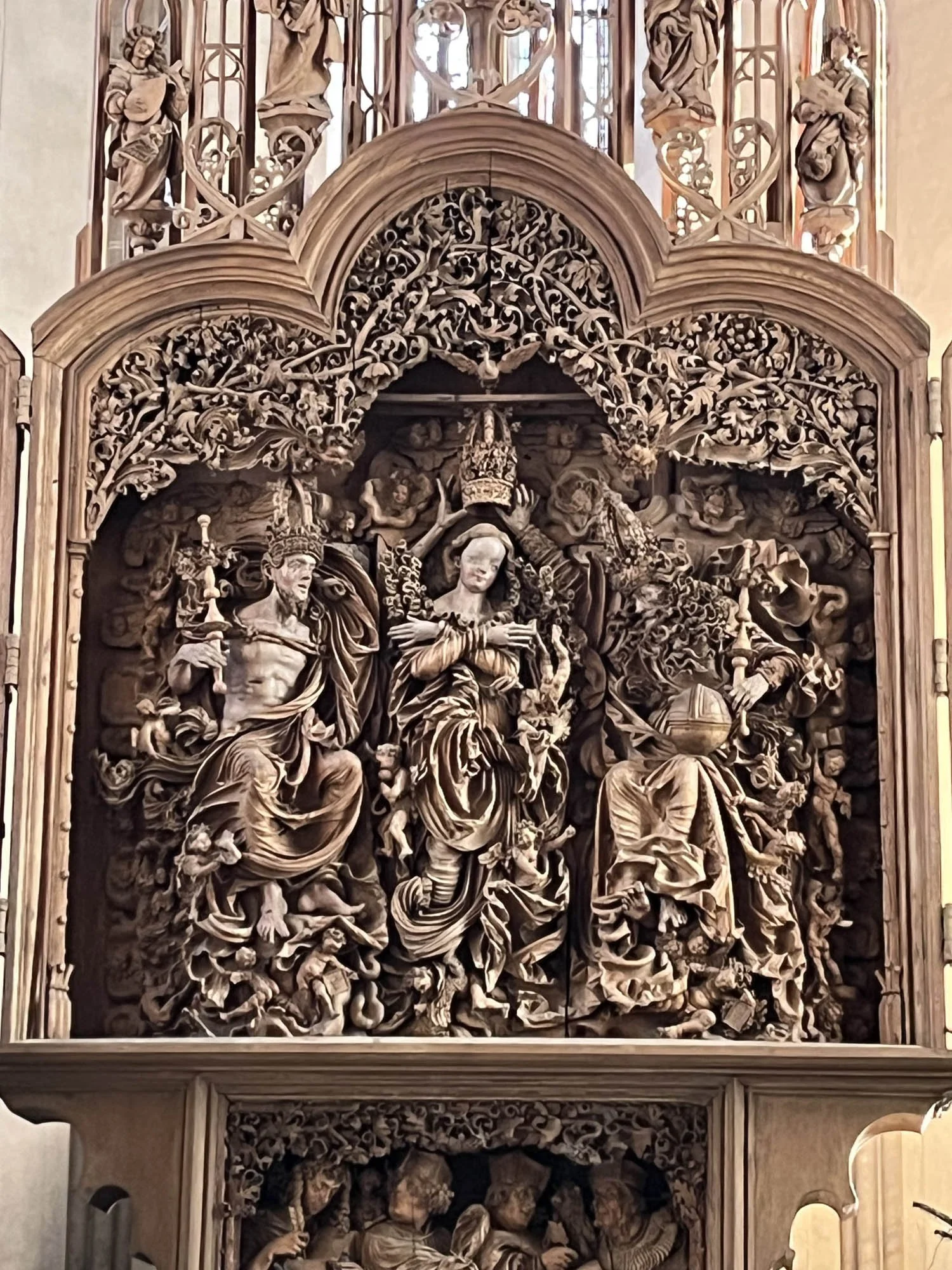

From the cemetery I headed to the center of town to make my way back to the ship. There is a dominant hill between the town center and the Rhine and there is an old church on the top. I decided to see if I could find the road up to the church to take a look.
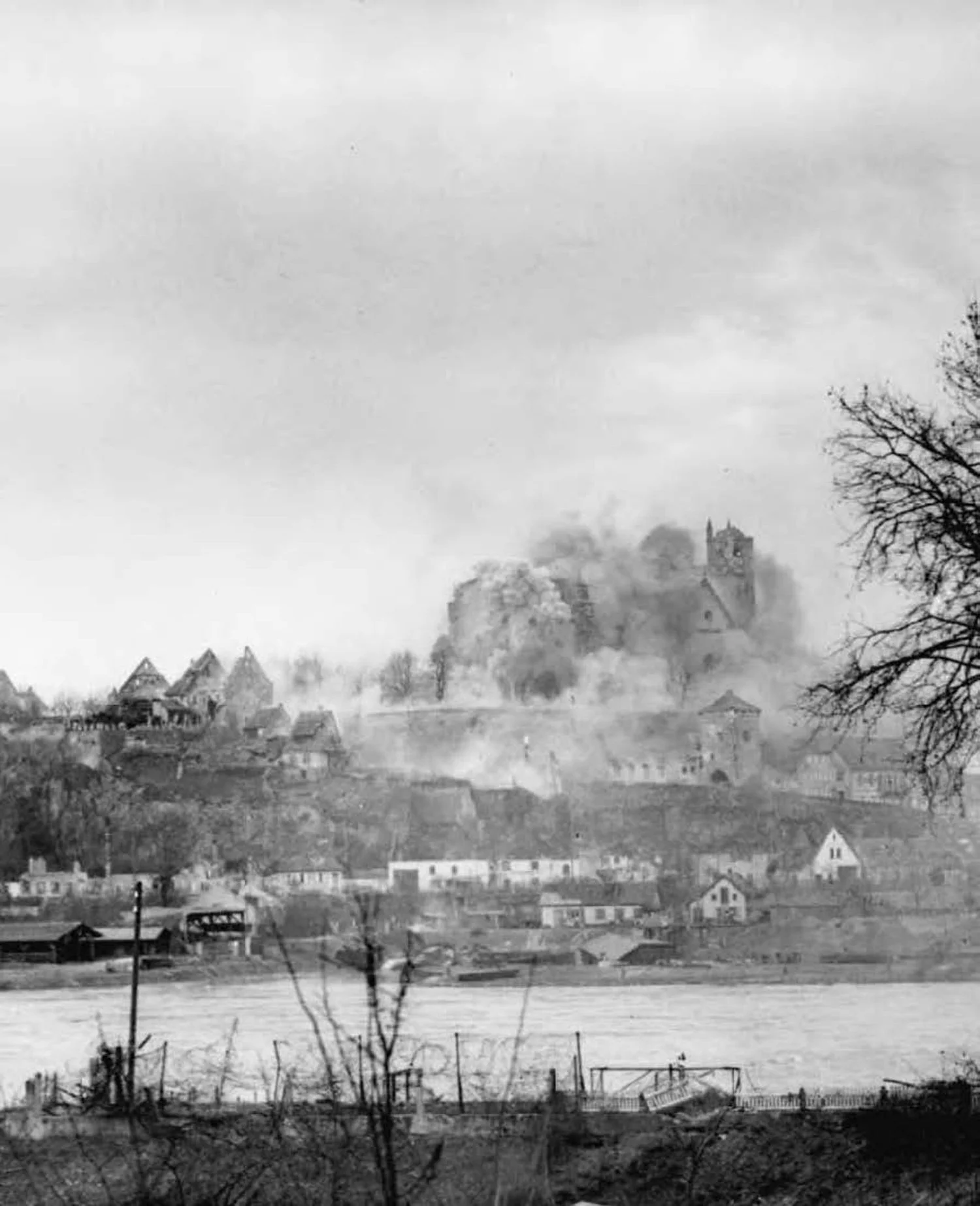
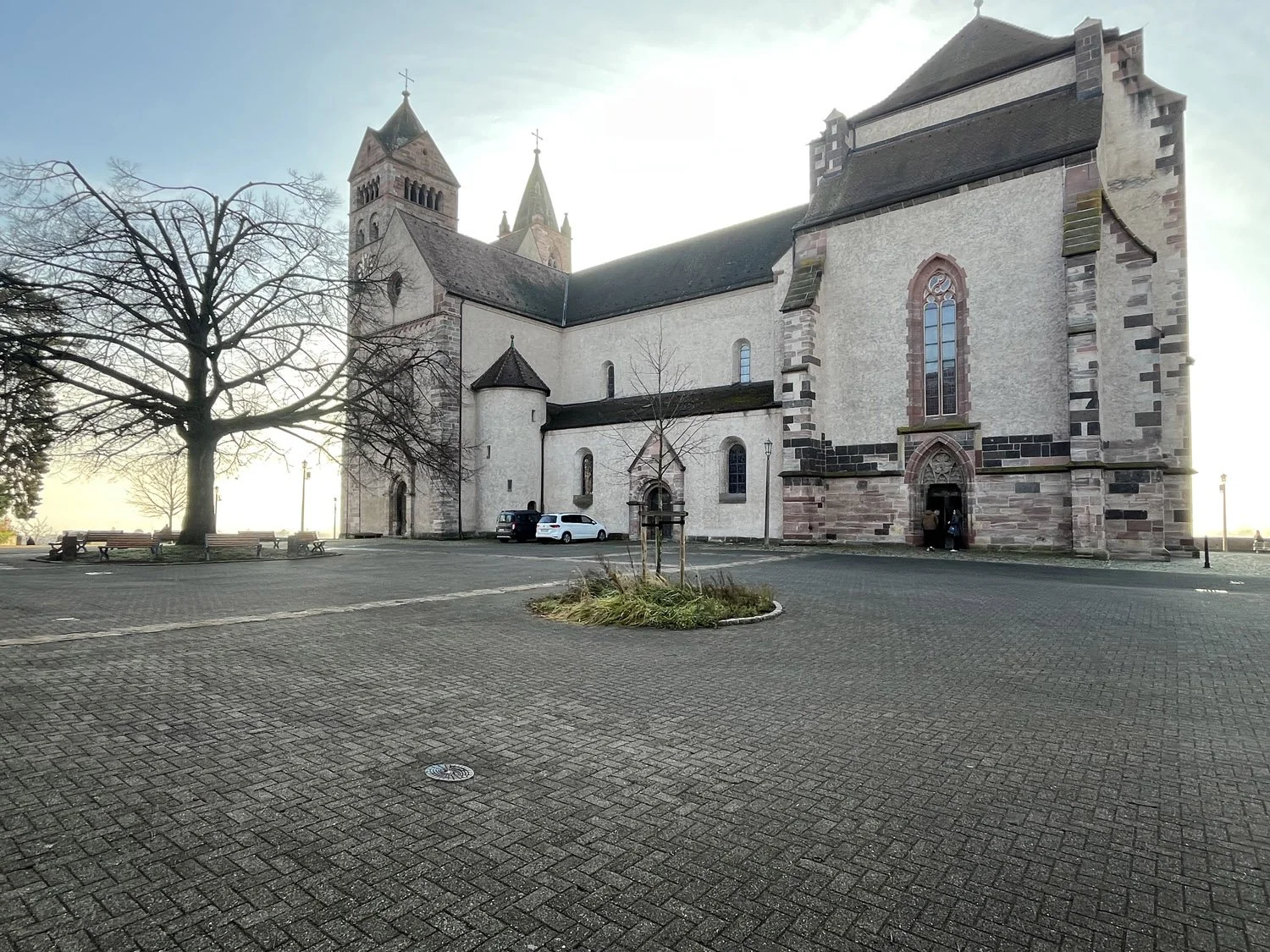
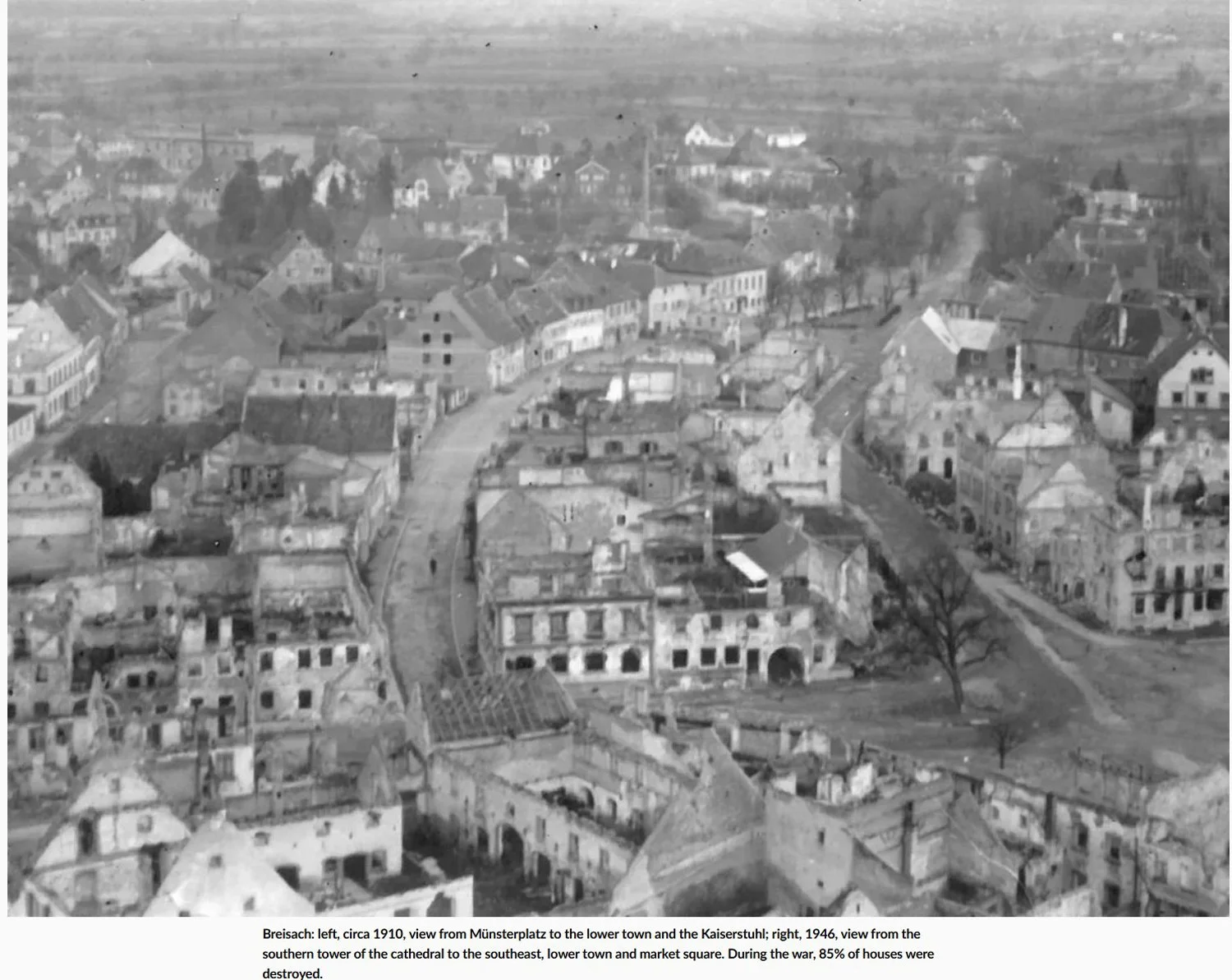
More research revealed that “old” was an understatement. The Breisacher Stephansmünster is a Catholic Cathedral that was originally built in the 12th century and expanded in the 15th century. The hillside has been strategic for centuries and was once the site of a Roman fort. The church survived several military battles but was badly damaged during the Second World War. The town itself was over 85% destroyed at that time. The church was rebuilt between 1945 and 1961.
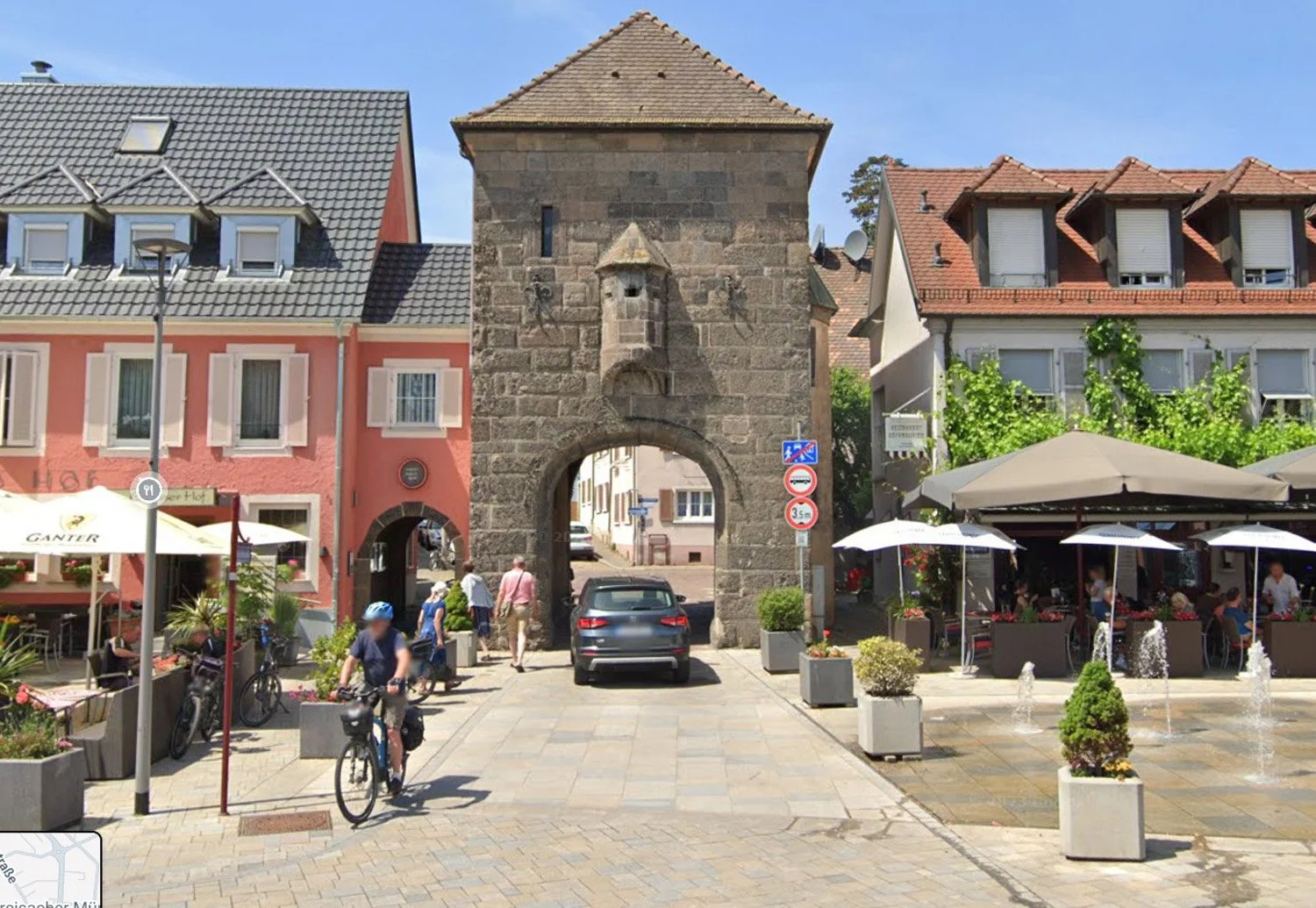
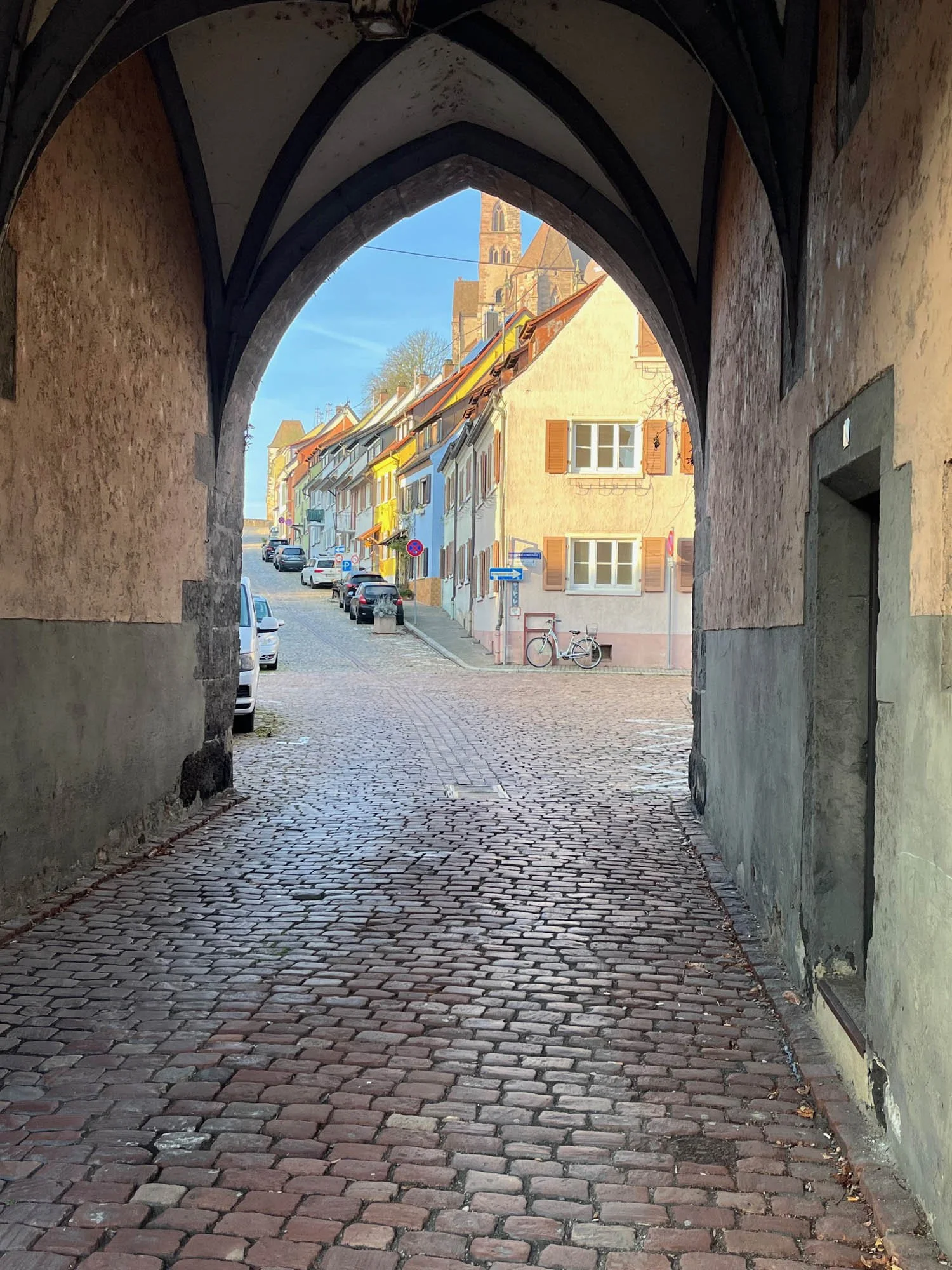
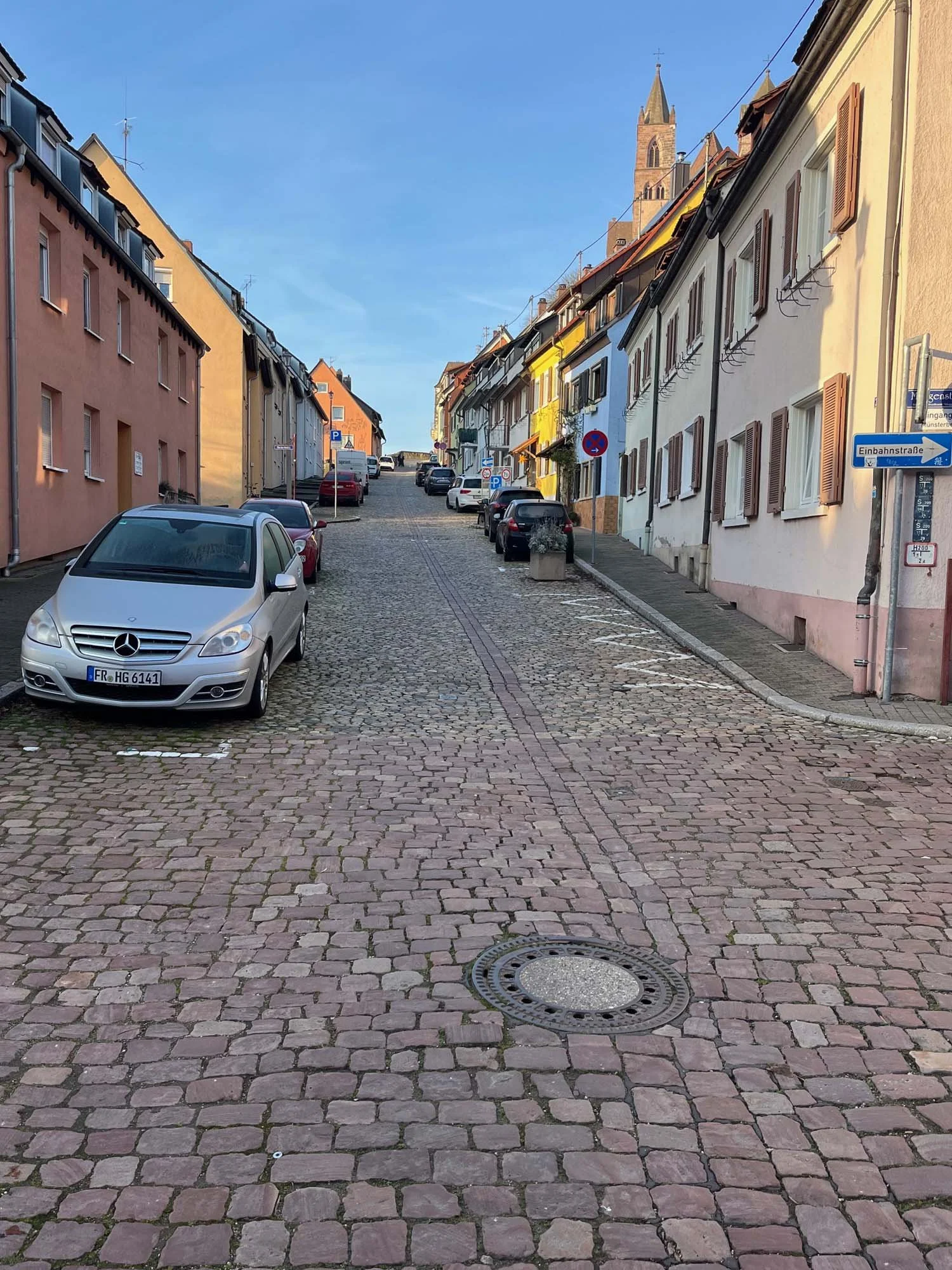
The portal that leads to the Cathedral is in the center of town and is a good example of what a post war rebuild looks like. The portal is original and made of stone but the walls adjoining it are plastered. The houses on either side of the steep cobblestone road that lead to the Cathedral have been rebuilt in the traditional style but with more modern materials. The Cathedral is an interesting mix of the original style ( Romanesque and Gothic) and the multiple reconstructions that it was subjected to over 500 years.
Much of the artwork inside the church is still intact, some of it dating back to the 15th century. There is a faded mural of the last judgement, a highly detailed wooden arcade and alter screen and a silver shrine that allegedly holds the remains of the patron saints Gervasius and Protasius, twin brothers that were martyred possibly by Nero in the 2nd Century.
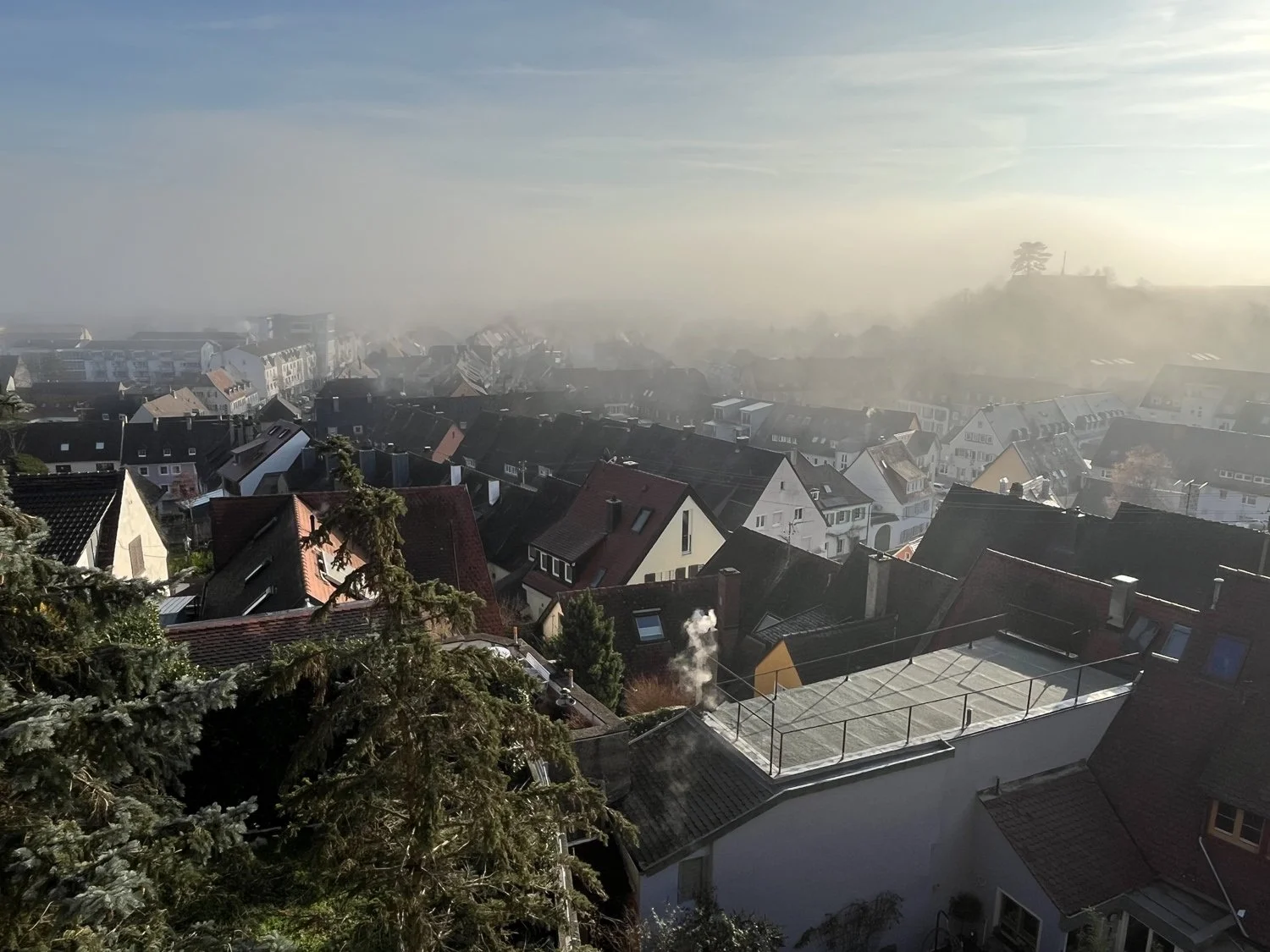
Once outside the church, if you walk round to the northeast, there is a lookout that provides a wonderful panorama of the town of Breisach. Over the years photos have been taken from this vantage point that show the original village in the 1900’s, its destruction in 1945, and its current state of being rebuilt eighty years later.
Final Thoughts

Of all the pictures I took on the trip, this panoramic view sticks with me the most. The Cathedral with its history dating back to the 12th century. The town that survived over a hundred years of new construction, destruction and reconstruction. The people, living their lives, one generation on top of another, layering their history like the cemetery, some of it light and some of it dark.
The Rhine certainly had interesting stories to tell and I feel lucky to have been able to experience a small part of that on this trip.